How to Fish sold 6.3 million copies in August at $5, and 87% of Steam releases still can't reach 50 reviews
Dazed Games, a small Swedish studio, released How to Fish on Steam on August 20 at $7.99 with a launch discount to $4.95. Two days later it had sold a million copies. By August 23 it hit 268,101 concurrent players, the fourth most-played game on Steam that day, up from about 18,000 on launch day. Reviews sat at 94% positive.
Then GameDiscoverCo published its August sales readout on September 4 and the number got bigger. Over 6.3 million units and roughly $26 million gross on Steam, in August alone, at a price band of $5 to $7. That made a fishing game the month's top new PC or console release by units, ahead of Star Wars Zero Company and Mortal Shell II at ten times the price.
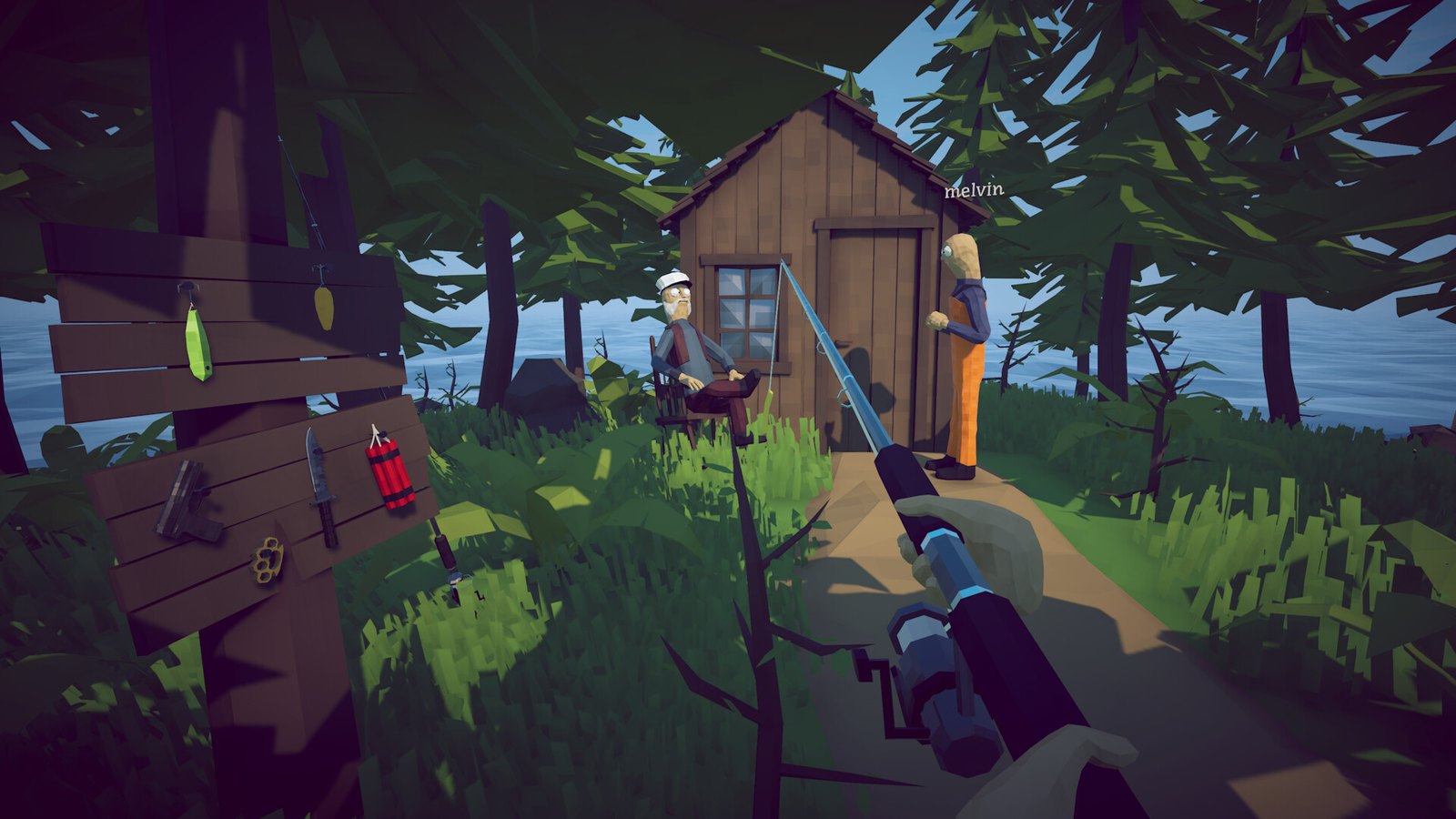
Low-poly islands, a rod in one hand, and a rack of knives, dynamite, and knuckle-dusters on the wall. Screenshot: Dazed Games.
What the game is
The premise is the joke. You and up to three friends fish, and then you fling the catch into the air and shoot it, or fight sharks, or fight each other. Physics does the rest. Fish sell for money, money buys better rods and worse weapons, and there are quests, bosses, and new islands to open up. It's low-poly, first-person, and built for the kind of clip that gets shared: something goes wrong in a way nobody planned and four people scream about it at once.
GameDiscoverCo notes the studio is Landfall-backed, which places it in the lineage of Content Warning and Peak, games that were cheap, co-op, funny, and made the streamer the marketing department. How to Fish's launch curve followed the same shape: modest day one, then a wall of co-streams, then a peak fourteen times the launch-day concurrency three days later. The developers said they plan to keep adding content and fixing bugs.
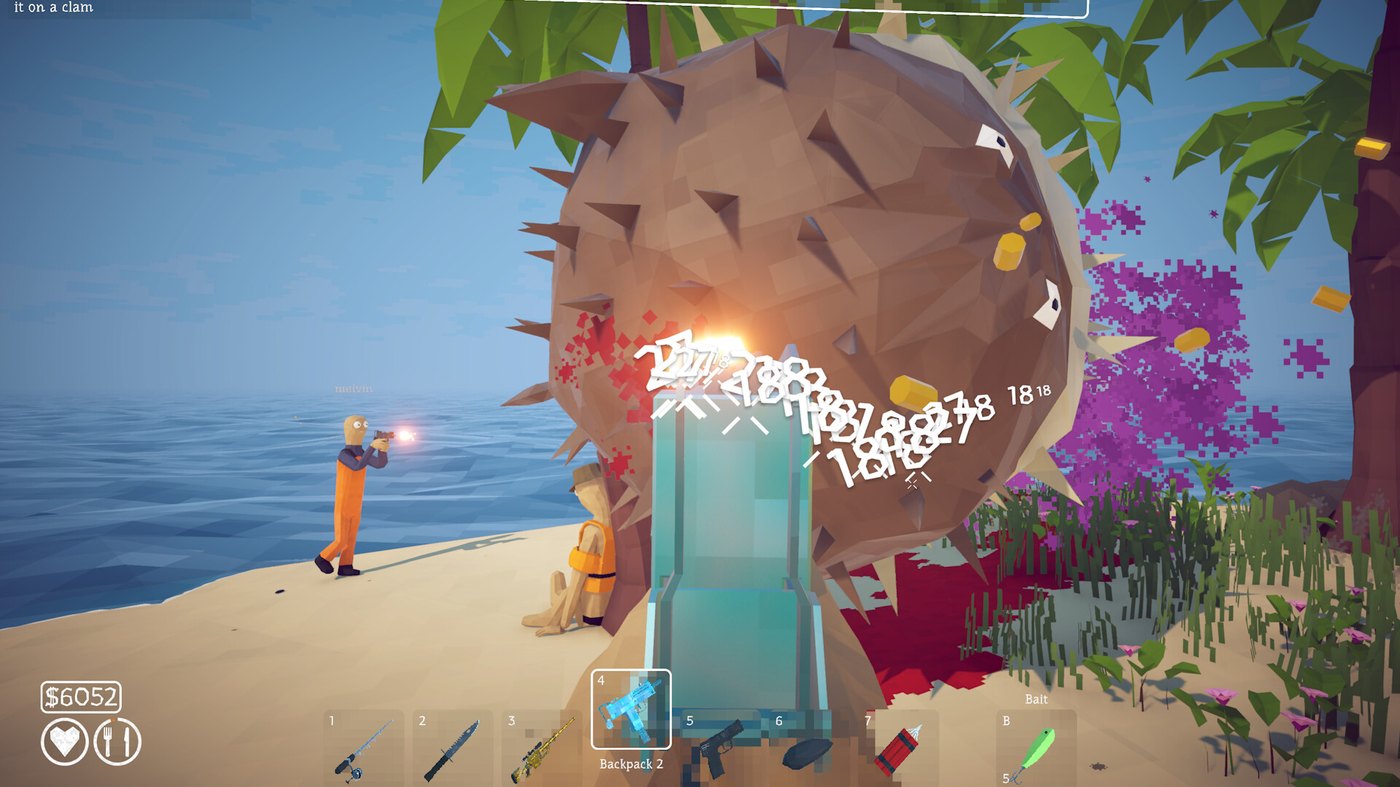
Four-player co-op on the water. Screenshot: Dazed Games.
The rest of August
The report's second-biggest indie is another small-team co-op game. House House's Big Walk, out August 4 at $19.99, sold over 1.6 million copies on Steam for around $21 million, plus more than 3 million players on PlayStation through PS Plus and over 100,000 on the Switch eShop. Iron Nest did about 650,000 units, ReStory around 500,000, Servant of the Lake over 250,000, and Grain Rot passed 200,000 in three weeks.
Against that, the market-wide numbers. Citing Thomas Bidaux's tracking at ICO Partners, the report puts Steam at more than 700 games released per week. Of those, 13.1% ever reach 50 player reviews and 8.6% reach 100. Roughly seven in eight games released on Steam never find enough players to register as having existed.
Why the shape matters more than the number
Nobody should plan a business around selling six million copies of anything. But the shape of this hit is repeatable in a way the number isn't, and it lines up with what we've seen from solo developers shipping with AI and from the Steam AI disclosure census: the games that break through are small, cheap, playable with friends, and produce moments people want to show someone.
How to Fish's art is deliberately simple, its price is a coffee, and its whole design is a machine for generating shareable failure. That last part is the thing we care about most, because it's the thing we built our share flow and reels around. A game that makes its own clips has marketing built in. A game that doesn't has to buy it, and at 700 releases a week, almost nobody can.
If you're launching on Steam this autumn, the October Next Fest runs October 19 to 26 and the demo deadline is September 14. Our Next Fest guide covers how to prepare, and the lesson from August is the same one we keep coming back to: get the game in front of a group of friends and a streamer before you polish the fifth level.