आधुनिक AAA games में इस्तेमाल होने वाली rendering तकनीकों की एक छोटी सूची
लिखा है Oleg Sidorkin ने, Cinevva के CTO और Co-Founder
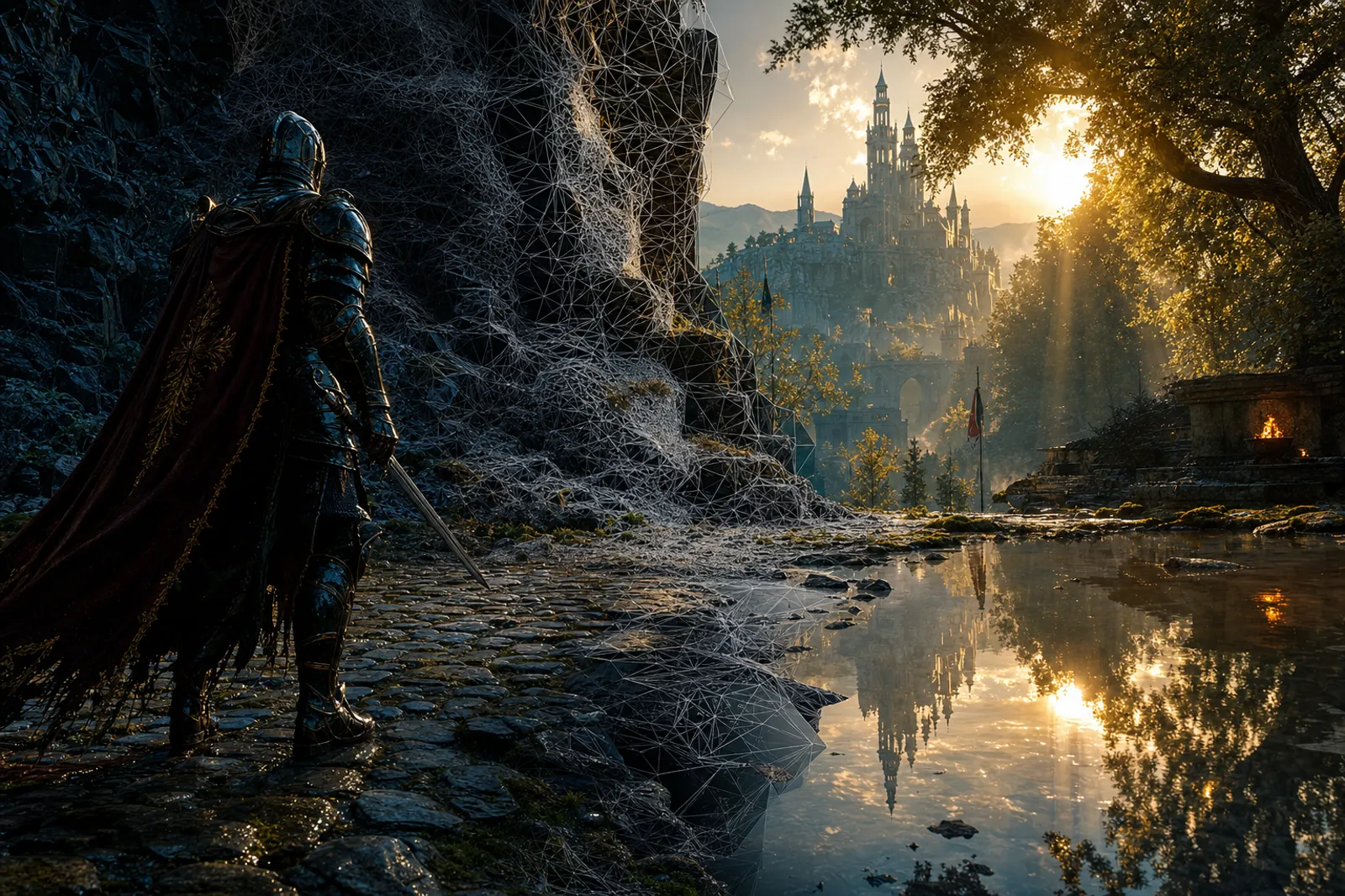
अगर आप 2026 के किसी AAA game की rendering pipeline खोलकर देखें, तो उसमें से ज़्यादातर चीज़ें तकनीकों के एक छोटे से समूह से जुड़ी मिलेंगी, जो सभी studios में इस्तेमाल होती हैं। engines के बीच नाम बदल जाते हैं, पर विचार वही रहते हैं। यहाँ एक छोटी सूची है कि screen पर असल में काम क्या कर रहा है, हर एक के लिए एक figure और कुछ गहरे technical references के साथ।
1. Physically based rendering (PBR)
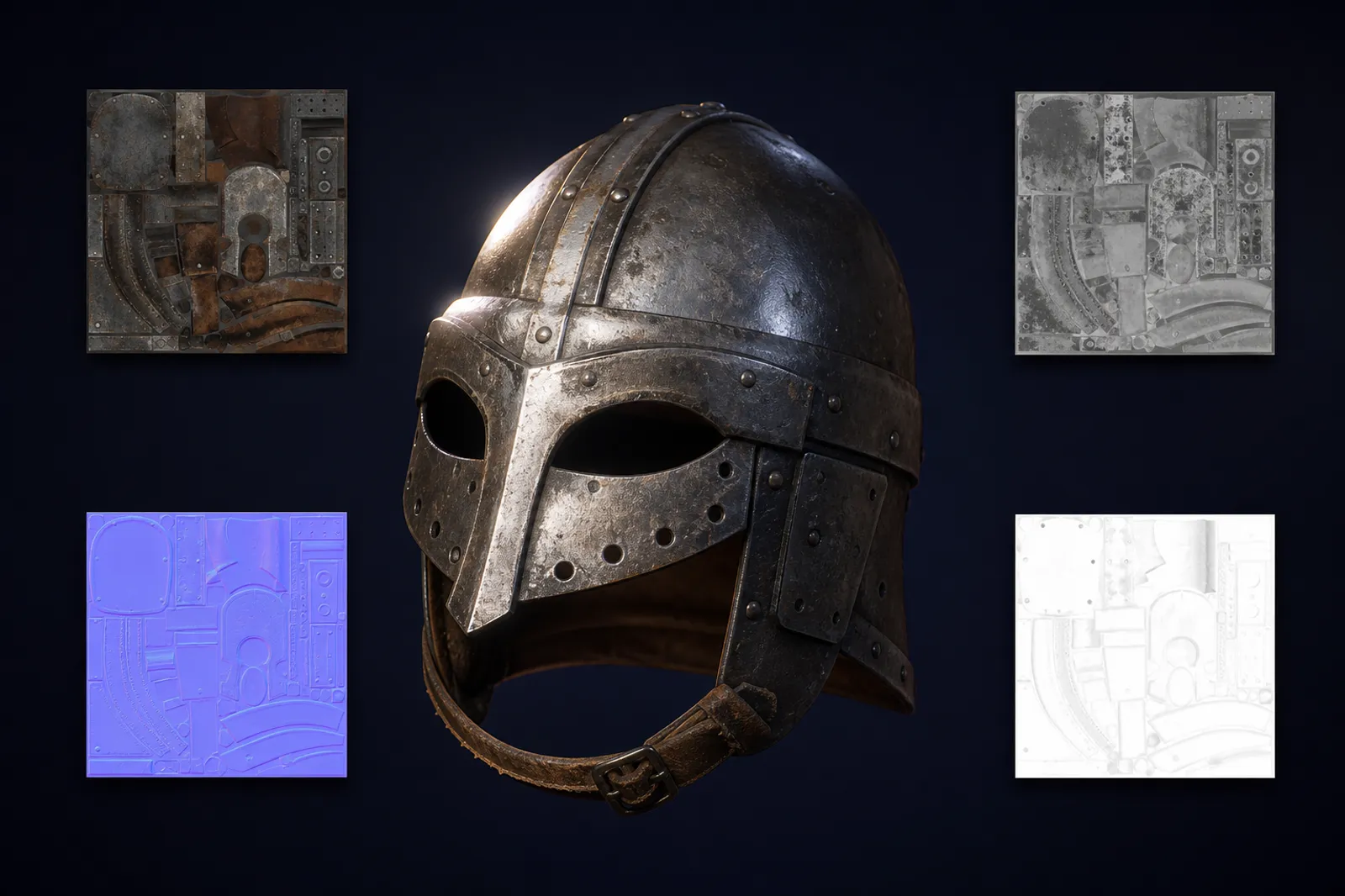
Materials को albedo, roughness, metallic, normal और ambient occlusion textures से बताया जाता है, और energy-conserving shaders (Cook-Torrance specular, Lambertian या Disney diffuse) से रोशनी दी जाती है। यह वह आधार है जिसे हर आधुनिक AAA engine मानकर चलता है। अगर कोई surface धूप में, lamp की रोशनी में और flashlight में एक जैसा दिखता है, तो उसकी वजह PBR है।
गहराई से जानें:
- Burley, Physically-Based Shading at Disney (मूल "Disney BRDF" course notes, SIGGRAPH 2012)।
- Karis, Real Shading in Unreal Engine 4 (SIGGRAPH 2013, canonical UE4 PBR talk)।
- Lagarde और de Rousiers, Moving Frostbite to Physically Based Rendering 3.0 (SIGGRAPH 2014, पूरी Frostbite pipeline)।
- Real-Time Rendering, 4th edition, chapter 9 (textbook reference)।
2. Deferred और visibility-buffer shading
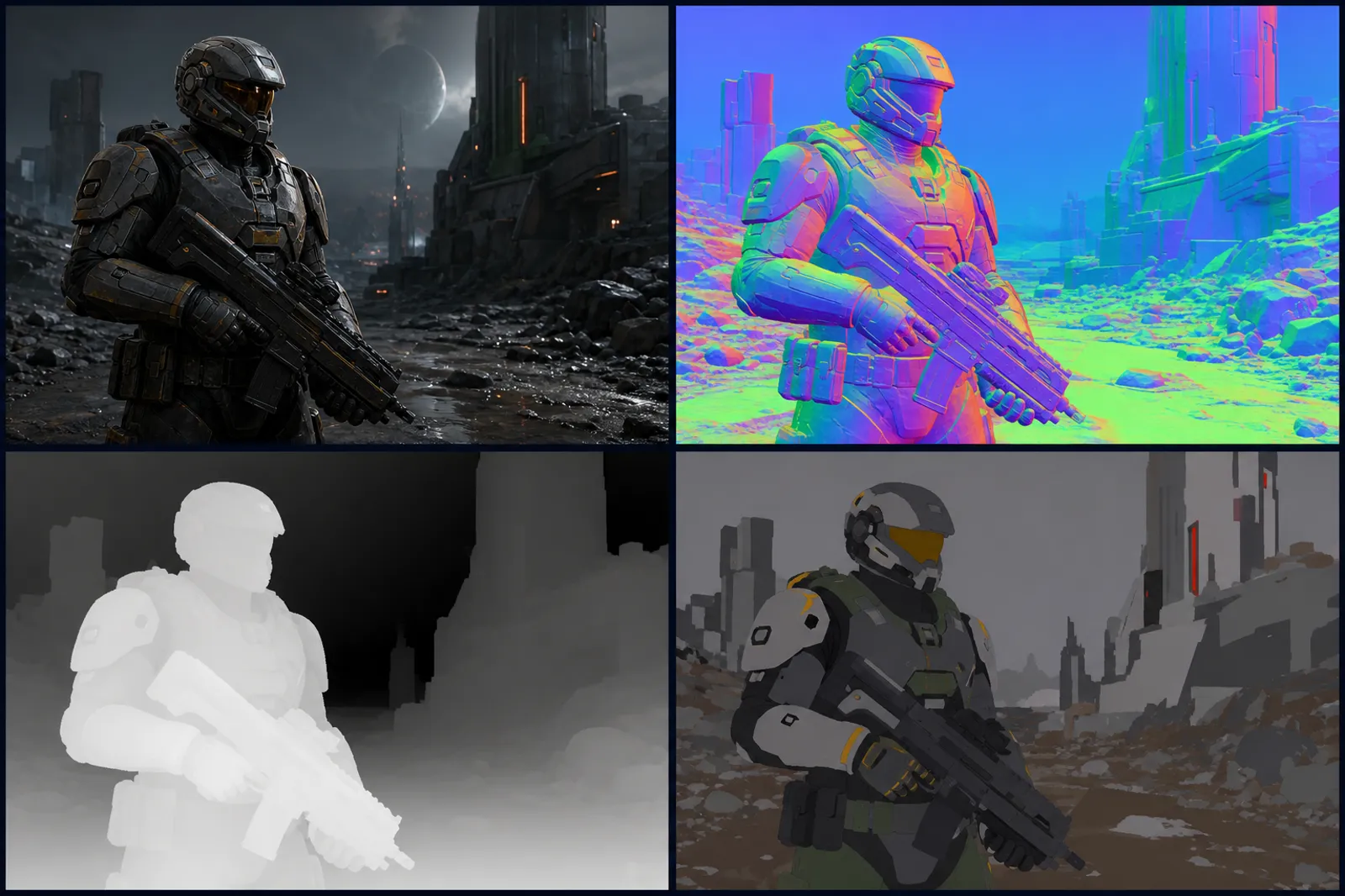
Geometry सबसे पहले attributes (normals, material IDs, depth) को एक G-buffer या visibility buffer में लिखती है। Lighting एक fullscreen pass की तरह चलती है जो उन buffers को पढ़कर हर pixel को एक बार shade करती है। Visibility buffers (Nanite और इससे मिलती-जुलती तकनीकों में इस्तेमाल होते हैं) इसे और आगे ले जाते हैं, सिर्फ़ triangle IDs को store करके और material parameters को बाद में per pixel resolve करके, जिससे dense geometry पर overdraw सस्ता रहता है।
गहराई से जानें:
- Engel, Deferred Shading (NVIDIA, नींव रखने वाला talk)।
- Burns और Hunt, The Visibility Buffer: A Cache-Friendly Approach to Deferred Shading (JCGT 2013, मूल visibility buffer paper)।
- Wihlidal, "Optimizing the Graphics Pipeline with Compute" (GDC 2016, Frostbite का compute आधारित deferred path)।
- Karis, Stubbe, Wihlidal, A Deep Dive into Nanite Virtualized Geometry (SIGGRAPH 2021, इसमें Nanite visibility buffer विस्तार से है)।
3. Virtualized geometry (Nanite-style)
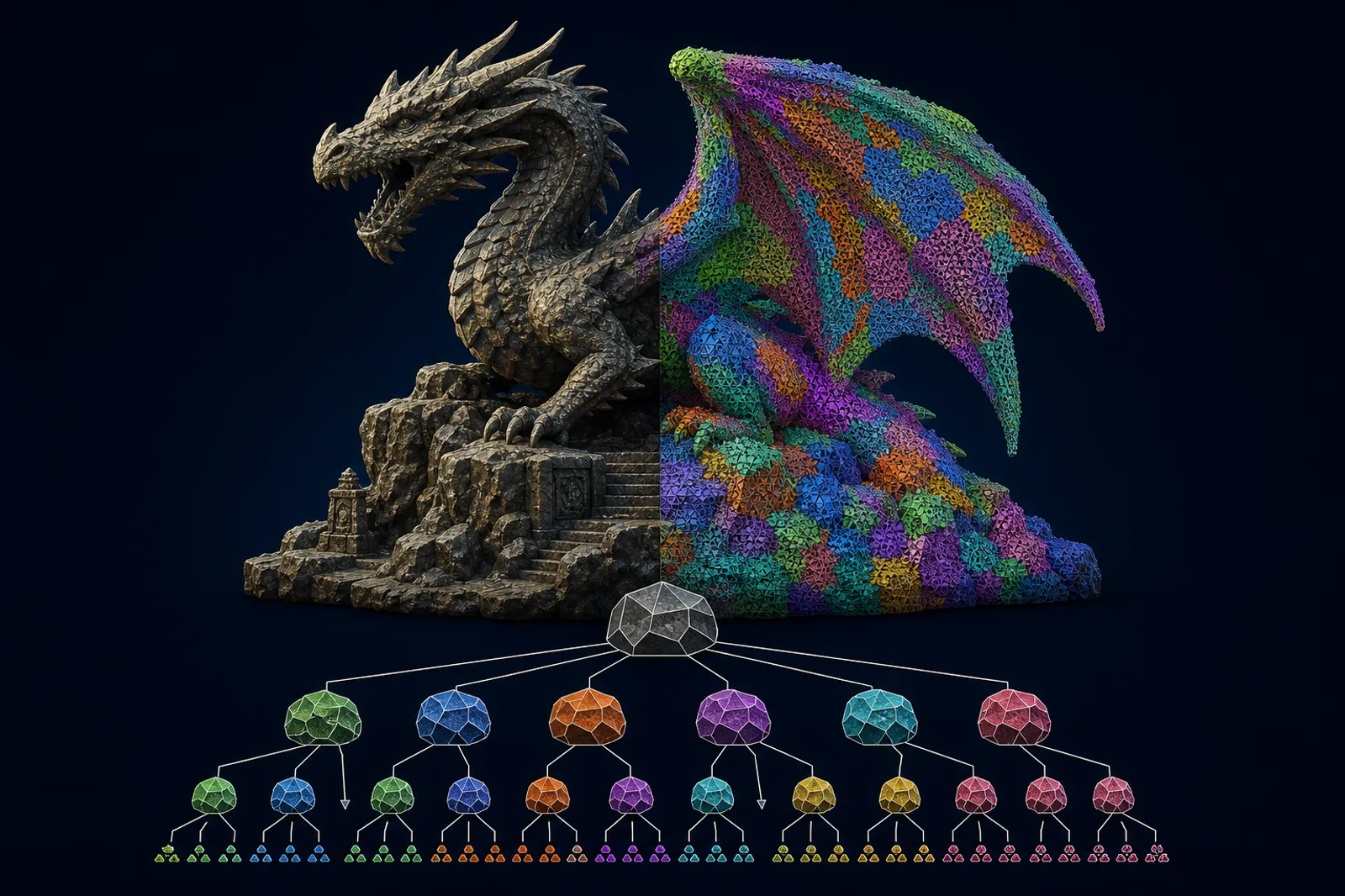
Meshes को पहले से clusters की एक hierarchy में बना लिया जाता है। runtime पर GPU clusters को उस resolution पर stream और select करता है जो हर pixel से मेल खाती है, जिससे बिना manual LODs के sub-pixel-accurate detail मिलती है। Unreal का Nanite इसका सबसे जाना-पहचाना उदाहरण है। अब दूसरे engines भी अपने-अपने variants देते हैं। इसका असली नतीजा है बिना LOD authoring के real time में film-quality assets।
गहराई से जानें:
- Karis, Stubbe, Wihlidal, A Deep Dive into Nanite Virtualized Geometry (SIGGRAPH 2021)।
- Brian Karis, Nanite GDC 2021 talk (आसानी से समझ आने वाला video walkthrough)।
- Liktor, Geometry Rendering Pipeline Architecture at Activision (cluster आधारित rendering, 2021)।
- Schied et al., Spatiotemporal Variance-Guided Filtering (इससे जुड़ी cluster culling तकनीकें)।
4. Shadows, reflections और AO के लिए real-time ray tracing
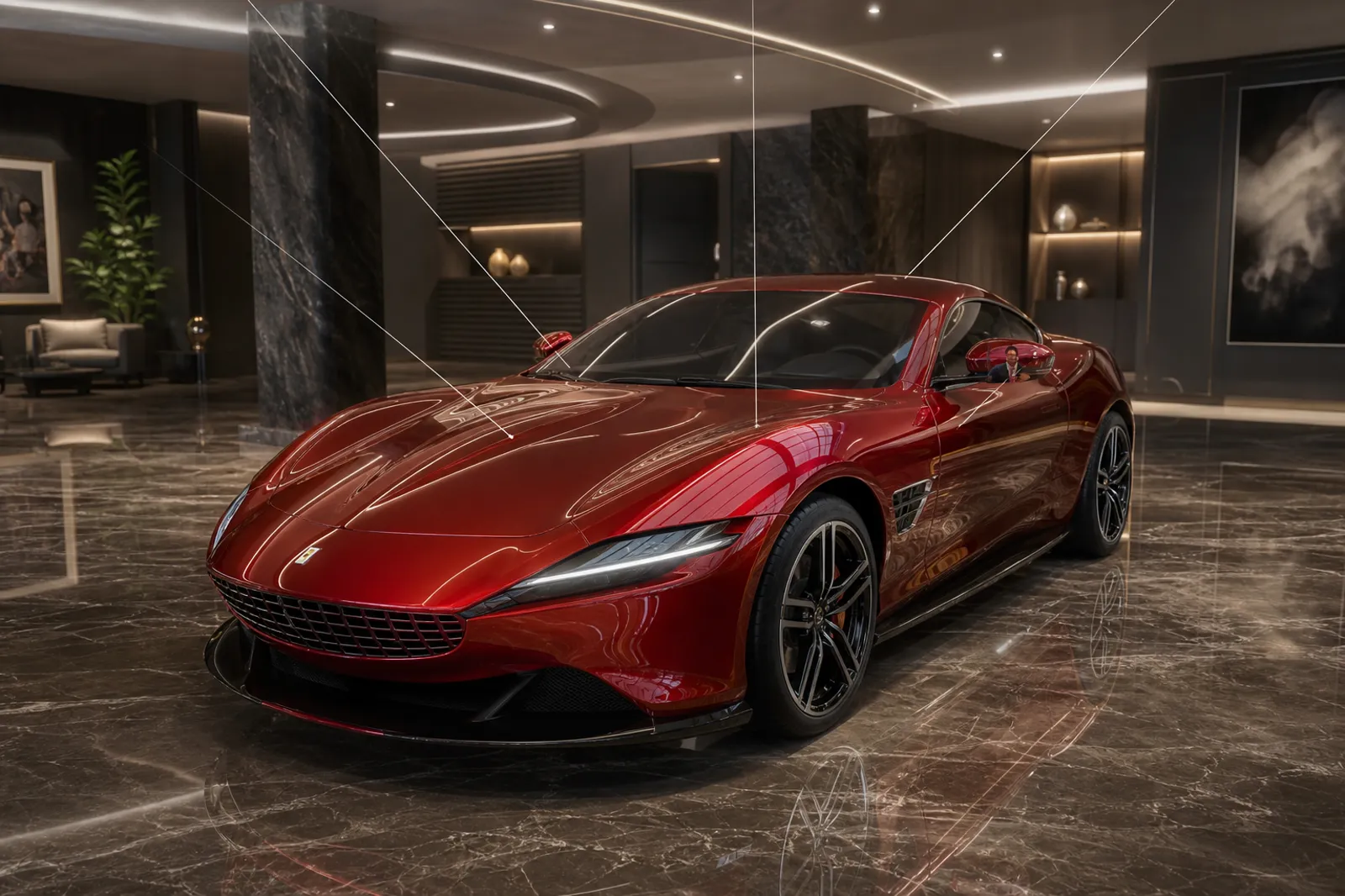
Hardware ray tracing (DXR, Vulkan RT) हर frame में बने एक BVH के विरुद्ध shadow rays, mirror और glossy reflection rays, और ambient occlusion rays trace करती है। per pixel कुछ rays भी screen-space तकनीकों से बेहतर नतीजा देती हैं, खासकर off-screen reflections और contact shadows के लिए। ज़्यादातर games इसका इस्तेमाल सोच-समझकर करते हैं, हर चीज़ के लिए नहीं।
गहराई से जानें:
- Microsoft, DirectX Raytracing (DXR) Functional Spec (API reference)।
- Wyman, Introduction to DirectX Raytracing (SIGGRAPH course notes, बहुत आसान)।
- Boksansky और Marrs, Ray Tracing Gems II, chapters 17-19 (मुफ़्त PDF, आधुनिक DXR तकनीकें)।
- Stachowiak, Stochastic Screen-Space Reflections (Frostbite, SSR से RT तक का पुल)।
5. Software ray tracing (Lumen-style)
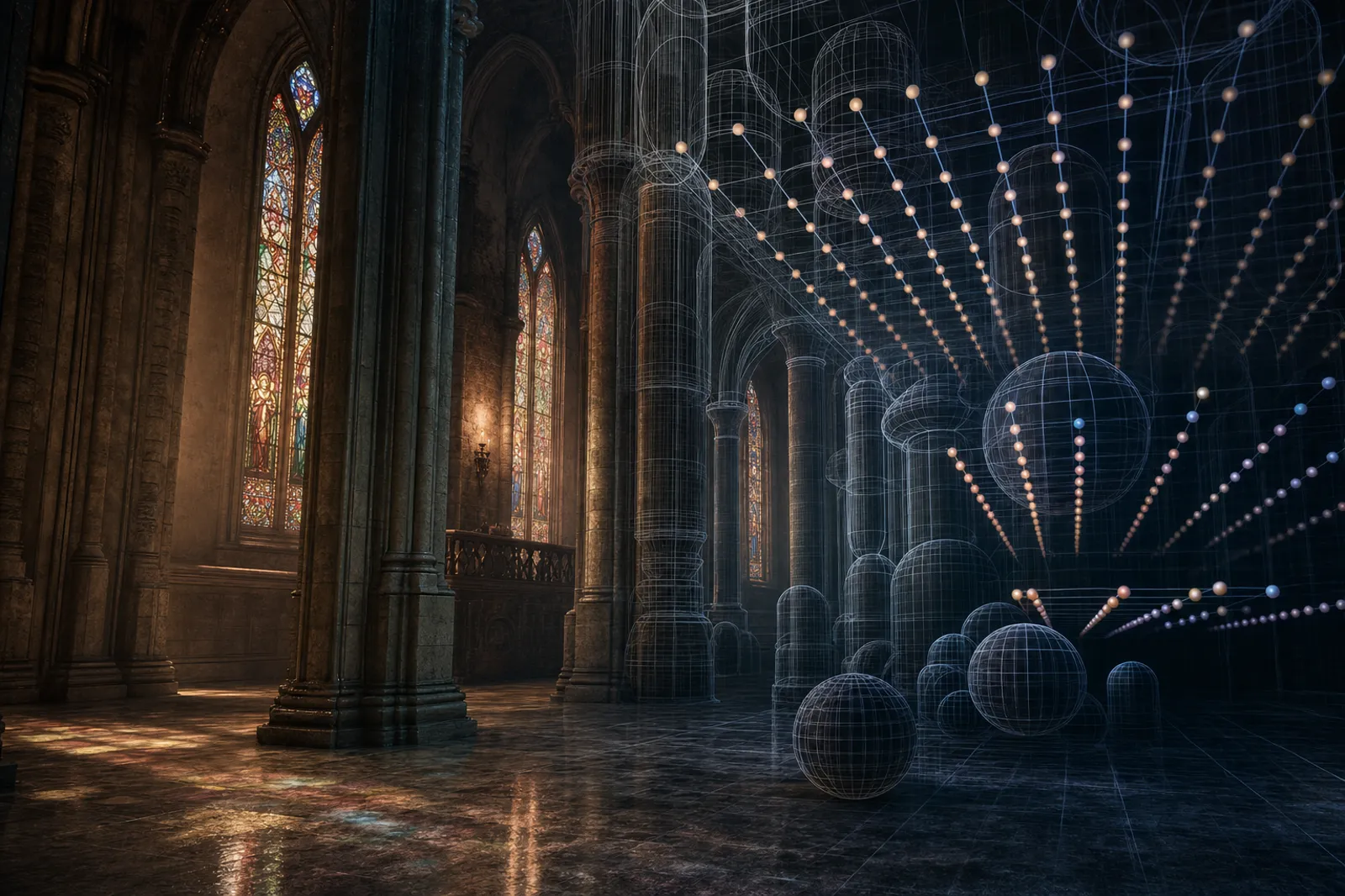
हर player के पास RTX card नहीं होता, इसलिए engines distance-field या surface-cache fallbacks भी देते हैं। Unreal का Lumen, उदाहरण के लिए, सस्ती diffuse GI के लिए signed distance fields और surface caches के विरुद्ध trace करता है, और ज़रूरत पड़ने पर ही hardware rays तक बढ़ता है। AAA games consoles पर "ray-traced look" इसी तरह हासिल करते हैं।
गहराई से जानें:
- Wright et al., Lumen: Real-Time Global Illumination in Unreal Engine 5 (SIGGRAPH 2022, Lumen paper)।
- Epic Games, Lumen Technical Details (आधिकारिक engine docs)।
- Wright, Radiance Caching for Real-Time Global Illumination (SIGGRAPH 2021)।
- Wright, Lumen GDC 2022 talk (video version)।
6. ReSTIR और reservoir sampling
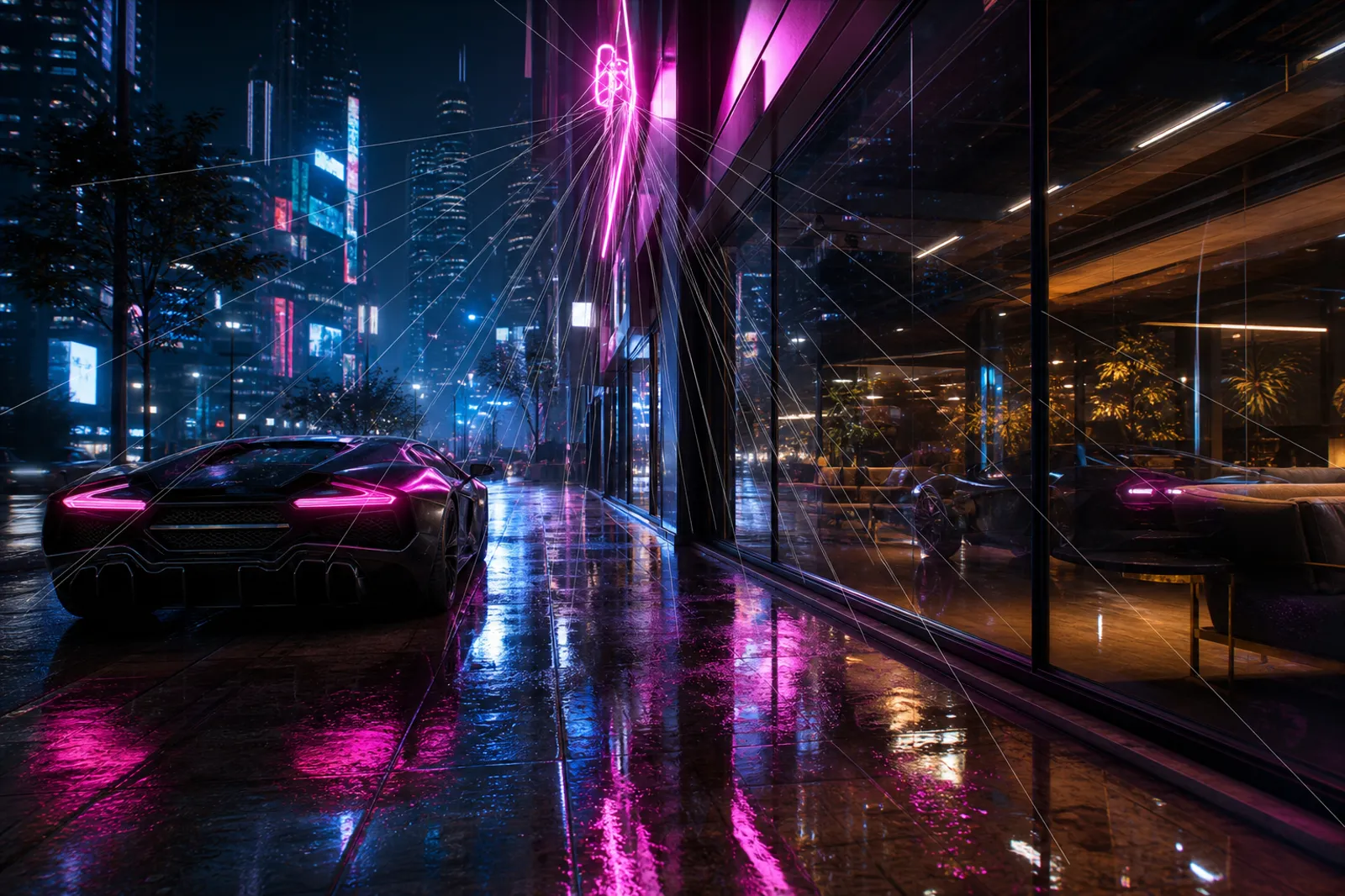
हज़ारों light sources के साथ direct और indirect lighting के लिए, ReSTIR (Reservoir Spatio-Temporal Importance Resampling) pixels और frames के बीच light samples दोबारा इस्तेमाल करता है। Path Tracing के साथ Cyberpunk 2077 जैसे games per pixel एक या दो rays पर noise इसी तरह कम रखते हैं। जैसे-जैसे path tracing high-end target बनता जाएगा, इसे और engines में देखने को मिलेगा।
गहराई से जानें:
- Bitterli et al., Spatiotemporal Reservoir Resampling for Real-Time Ray Tracing with Dynamic Direct Lighting (SIGGRAPH 2020, मूल ReSTIR paper)।
- Ouyang et al., ReSTIR GI: Path Resampling for Real-Time Path Tracing (HPG 2021, indirect-illumination ReSTIR)।
- Lin et al., Generalized Resampled Importance Sampling (SIGGRAPH 2022, गणितीय आधार)।
- NVIDIA, Cyberpunk 2077 Path Tracing Tech Deep Dive (engineering blog)।
7. Volumetric clouds, fog और atmosphere
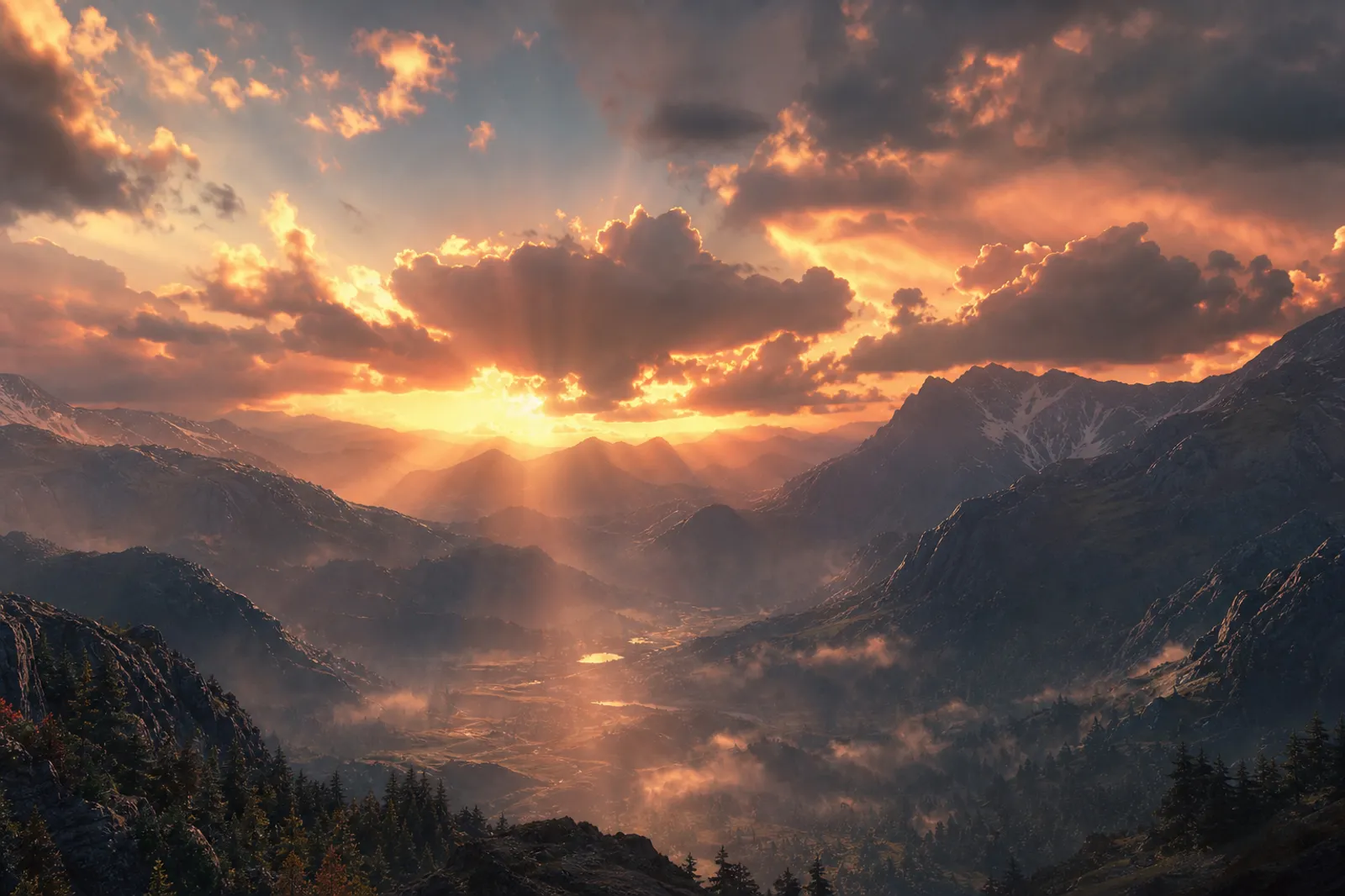
Skies को 3D noise और density volumes के बीच से ray-march किया जाता है। Atmosphere सूरज और चाँद के transitions के लिए precomputed scattering tables (Bruneton-style) इस्तेमाल करती है। Fog एक froxel grid है (view frustum से aligned एक 3D texture की तरह सोचिए) जो local lighting को पकड़ता है। मिलकर ये आपको skybox की जगह "weather as a system" देते हैं।
गहराई से जानें:
- Schneider, The Real-Time Volumetric Cloudscapes of Horizon Zero Dawn (SIGGRAPH 2015, canonical clouds reference)।
- Hillaire, A Scalable and Production Ready Sky and Atmosphere Rendering Technique (EGSR 2020, UE5 में इस्तेमाल होने वाला आधुनिक Bruneton successor)।
- Wronski, Volumetric Fog: Unified Compute Shader Based Solution to Atmospheric Scattering (SIGGRAPH 2014, Assassin's Creed 4 froxel fog)।
- Hillaire, Physically Based and Unified Volumetric Rendering in Frostbite (SIGGRAPH 2015)।
8. Cascaded shadow maps और virtual shadow maps
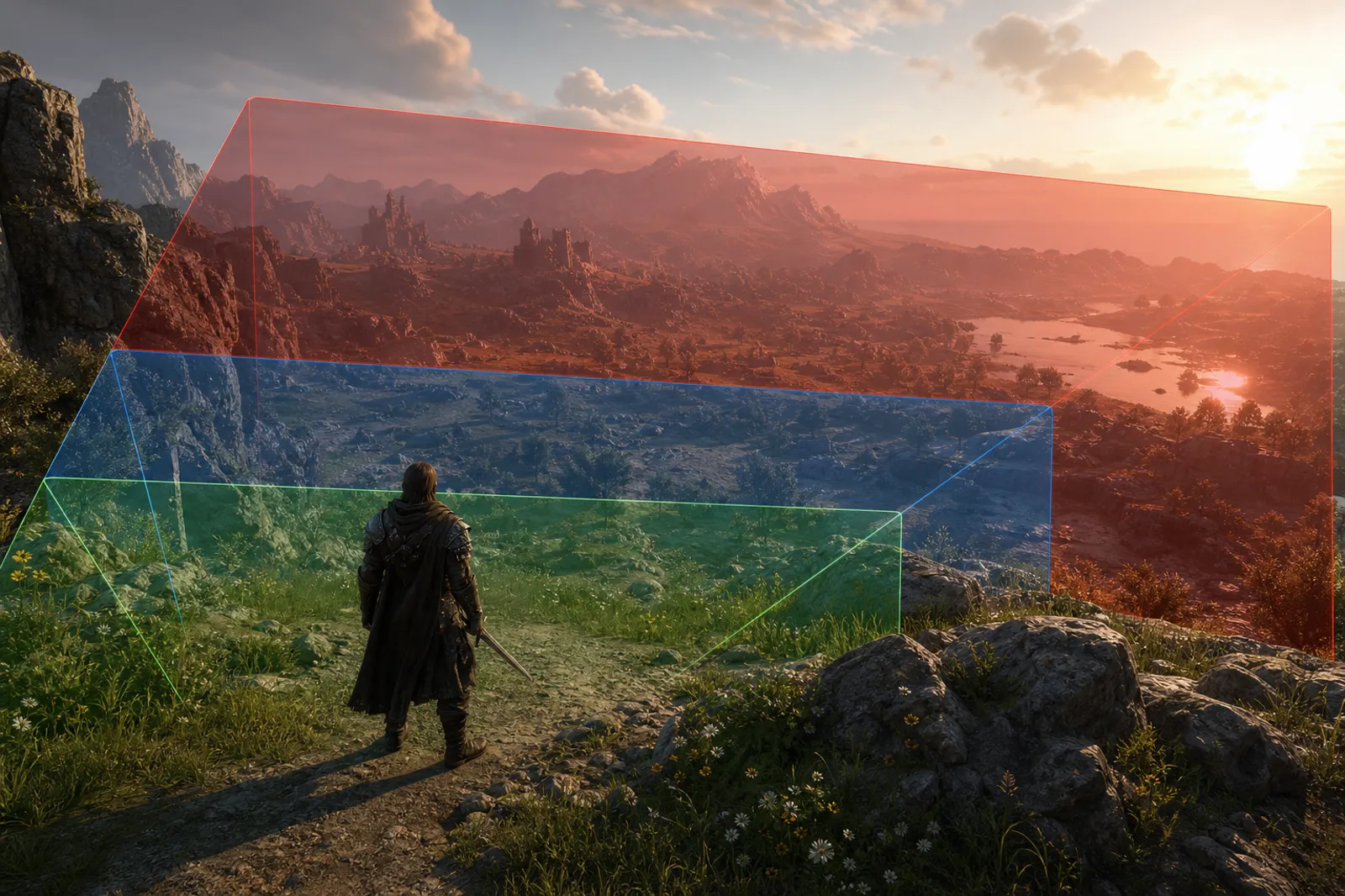
सूरज की shadows के लिए, cascaded shadow maps frustum को ranges में बाँटते हैं और हर एक को उचित resolution पर render करते हैं। Virtual shadow maps इससे आगे जाते हैं: एक विशाल shadow map को pages में बाँटा जाता है और सिर्फ़ वही pages render होते हैं जो camera से दिखते हैं। AAA games player के पास crisp shadows बिना भारी memory खर्च के इसी तरह रखते हैं।
गहराई से जानें:
- Dimitrov, Cascaded Shadow Maps (NVIDIA whitepaper, standard reference)।
- Microsoft, Common Techniques to Improve Shadow Depth Maps (DirectX docs)।
- Wright, Virtual Shadow Maps in Fortnite Battle Royale Chapter 4 (SIGGRAPH 2023, UE5 VSM talk)।
- Epic Games, Virtual Shadow Maps documentation।
9. Screen-space effects (SSAO, SSR, SSGI, SSSSS)
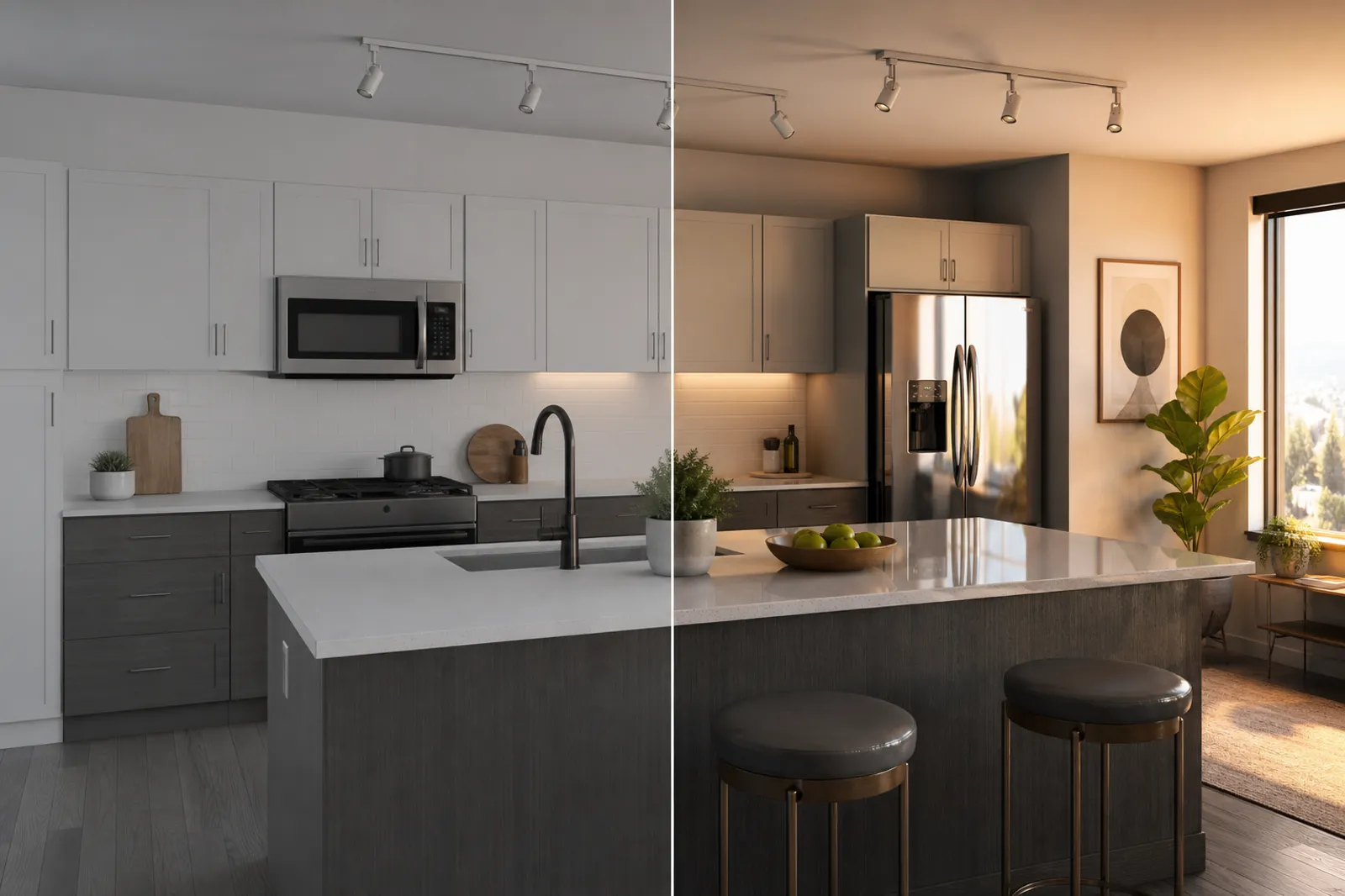
depth और normal buffers को सस्ते में पढ़कर आपको ambient occlusion (SSAO), reflections (SSR), one-bounce global illumination (SSGI), और त्वचा के लिए subsurface scattering (SSSSS) मिलते हैं। ये off-screen detail को छोड़ देते हैं, इसीलिए ray tracing आगे बढ़ रहा है, पर एक तेज़ आधार के तौर पर ये अब भी हर जगह हैं।
गहराई से जानें:
- Mittring, Finding Next Gen: CryENGINE 2 (SIGGRAPH 2007, मूल SSAO paper)।
- McGuire et al., Scalable Ambient Obscurance (HPG 2012, आधुनिक SSAO)।
- Stachowiak और Uludag, Stochastic Screen-Space Reflections (Frostbite, SSR reference)।
- Jimenez, Separable Subsurface Scattering (ज़्यादातर AAA engines में त्वचा के लिए इस्तेमाल होने वाली तकनीक)।
- Mara et al., Deep Screen Space (Activision, एक SSGI lineage)।
10. Temporal anti-aliasing और ML upscaling (DLSS, FSR, XeSS)
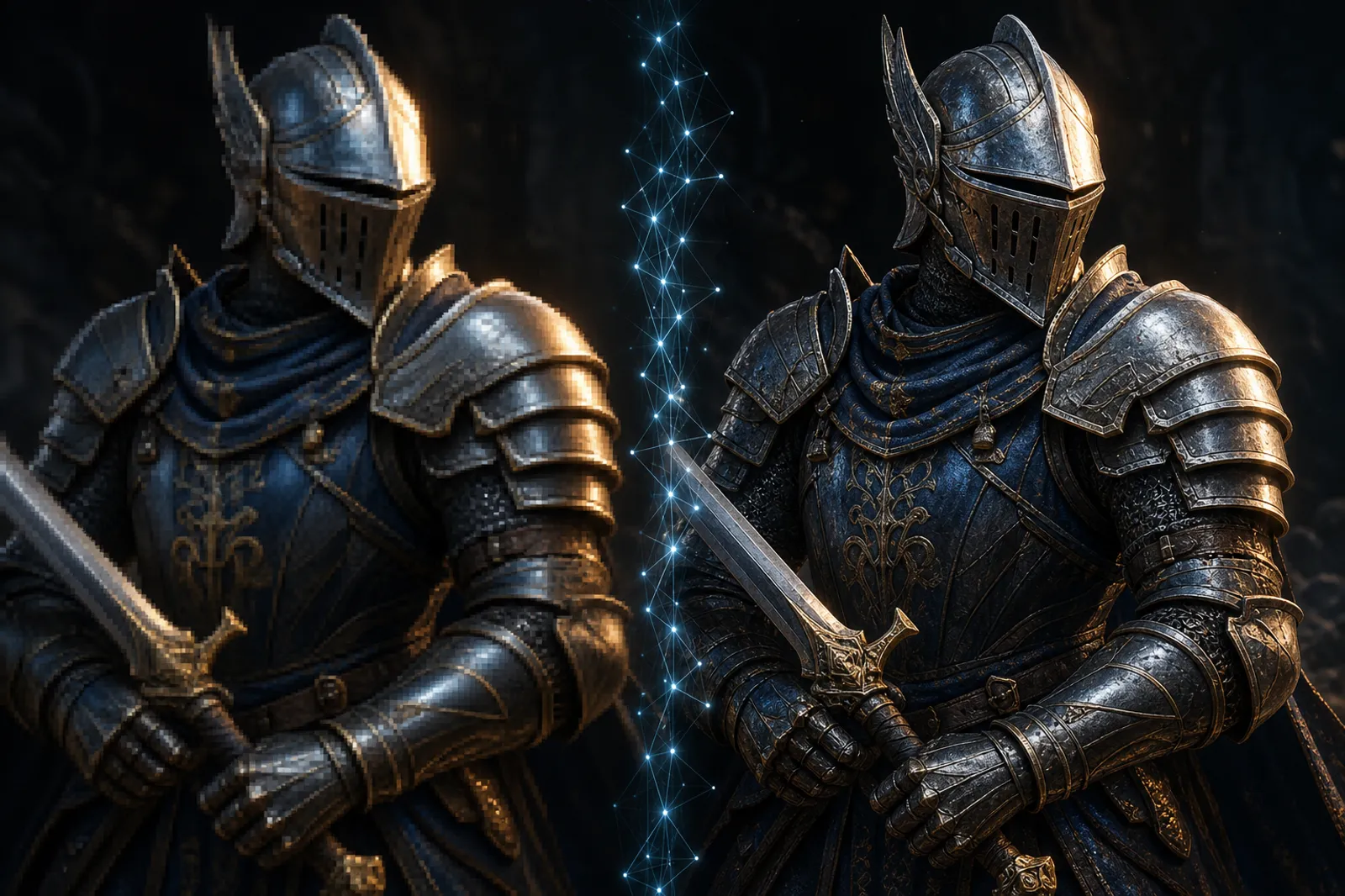
Frame को कम internal resolution पर render किया जाता है और motion vectors, depth और history का इस्तेमाल करके फिर से बनाया जाता है। ML आधारित upscalers (DLSS 3/4, FSR 3, XeSS) ऊपर से frame generation जोड़ते हैं, optical flow से बीच के frames interpolate करते हुए। ज़्यादातर AAA titles अब यह मानकर ship करते हैं कि कोई upscaler चालू है, जो बदल देता है कि आप बाकी frame का budget कैसे तय करते हैं।
गहराई से जानें:
- Karis, High Quality Temporal Supersampling (SIGGRAPH 2014, canonical TAA talk)।
- Salvi, An Excursion in Temporal Supersampling (NVIDIA, DLSS की राह पर)।
- Edelsten, Truly Next-Gen: Adding Deep Learning to Games and Graphics (GDC 2019, DLSS architecture)।
- AMD, FidelityFX Super Resolution 3 technical details और Intel, XeSS technical paper।
11. GPU-driven rendering और mesh shaders
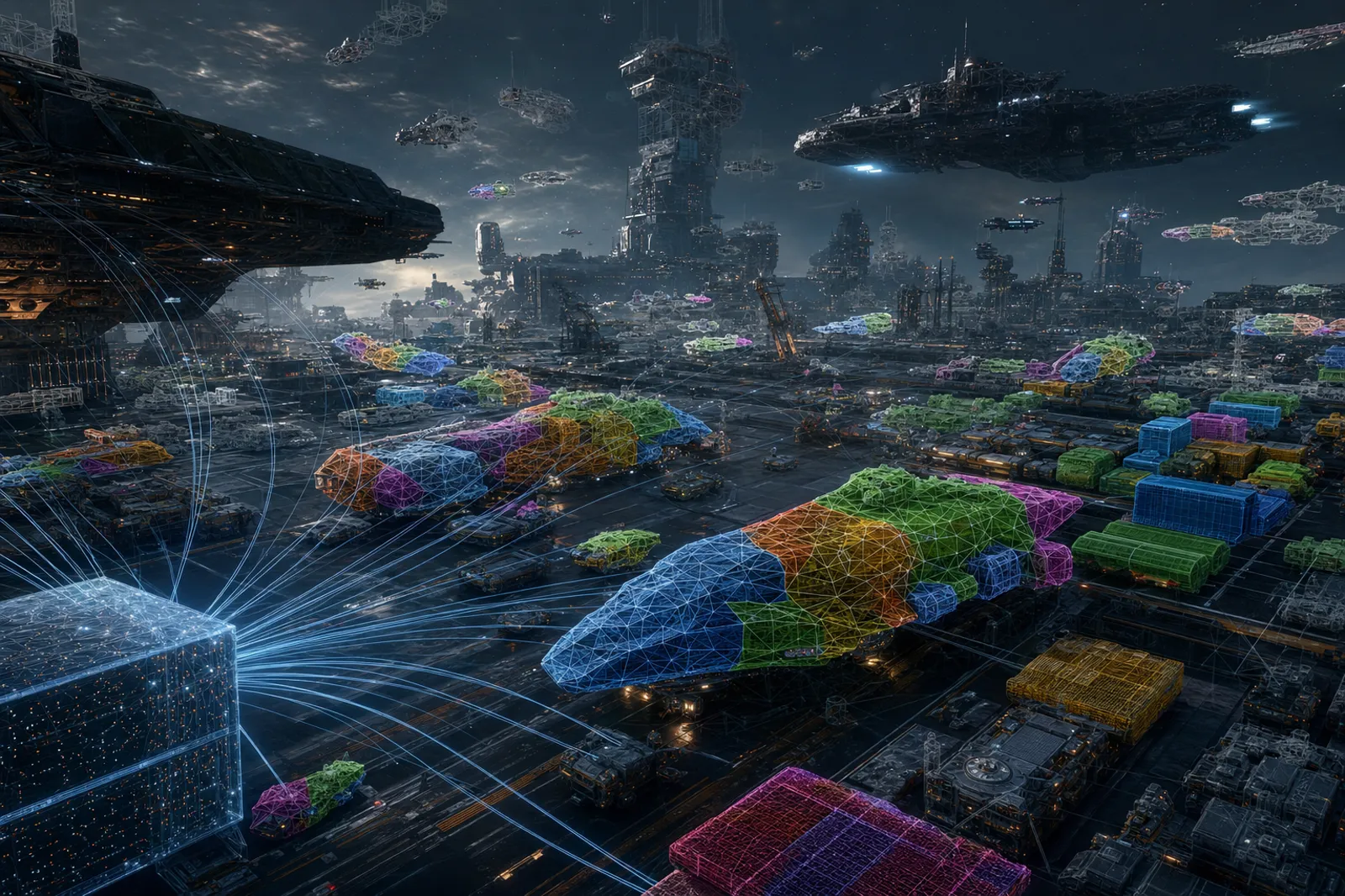
Culling, LOD selection और draw submission सब GPU पर चलते हैं। Mesh shaders vertex/geometry/tessellation pipeline की जगह एक ज़्यादा लचीली compute-style stage ले आते हैं जो meshlets emit करती है। multi-draw indirect के साथ मिलकर, यह CPU को per-object hot loop से पूरी तरह बाहर रखता है।
गहराई से जानें:
- Haar और Aaltonen, GPU-Driven Rendering Pipelines (SIGGRAPH 2015, नींव रखने वाला Assassin's Creed Unity talk)।
- Wihlidal, Optimizing the Graphics Pipeline with Compute (GDC 2016, Frostbite GPU-driven culling)।
- Kubisch, Introduction to Turing Mesh Shaders (NVIDIA, mesh shader primer)।
- Pesce, A Whirlwind Tour of Mesh Shaders (और इससे मिलते-जुलते engineering blogs, जो Adrian Courrèges के RenderDoc tear-downs पर इकट्ठा हैं)।
12. Hair, cloth और skin rendering
Hair strand आधारित geometry के साथ Marschner-style anisotropic shading इस्तेमाल करता है (NVIDIA HairWorks, AMD TressFX, या engine-native systems)। Cloth को GPU पर position-based dynamics से simulate किया जाता है और anisotropic specular के साथ render किया जाता है। Skin screen-space subsurface scattering और pre-integrated wrap lighting इस्तेमाल करती है। आमतौर पर इन्हीं तीनों में AAA और indie के बीच budget का फ़र्क़ नज़र आता है।
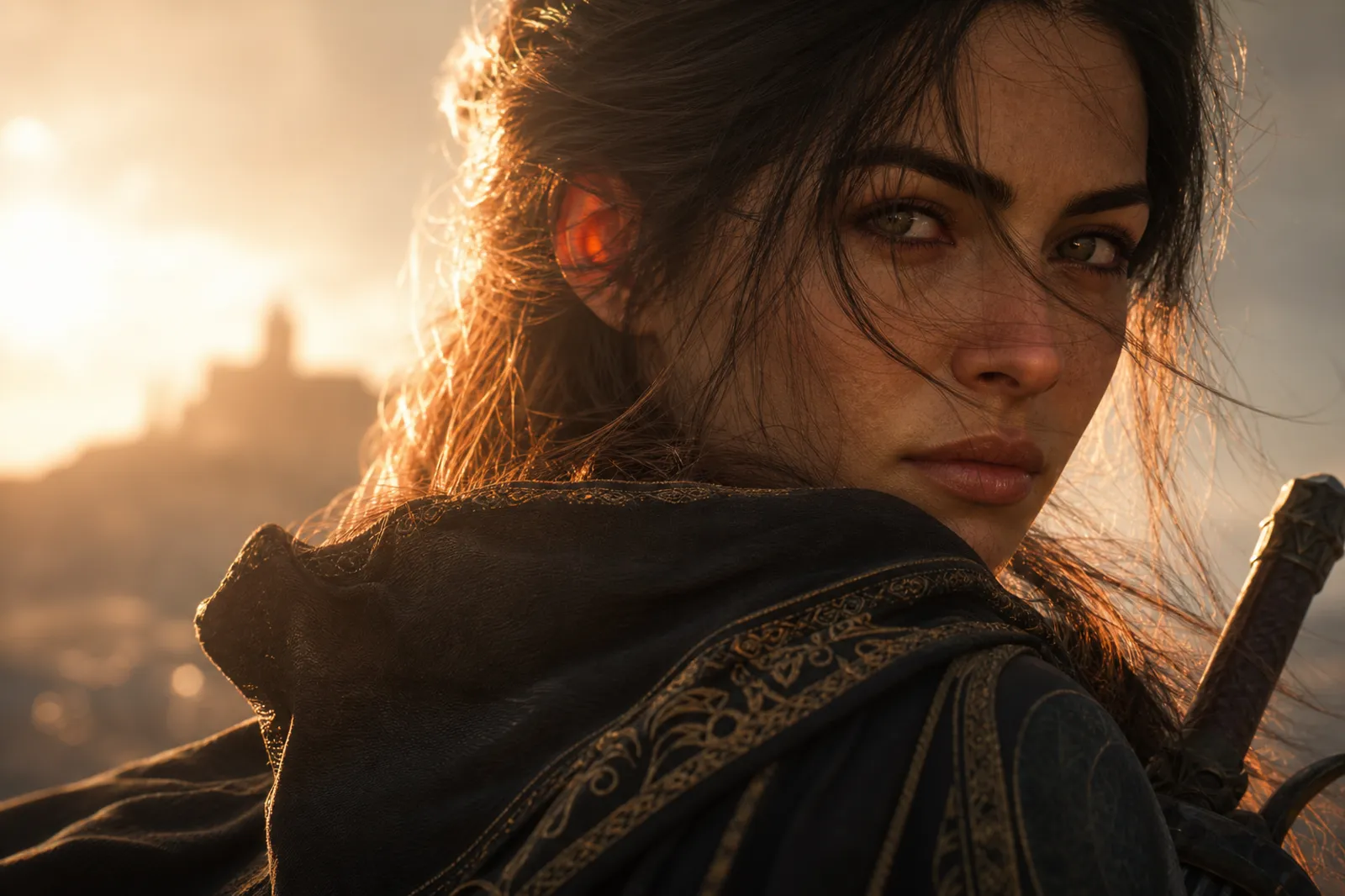
गहराई से जानें:
- Marschner et al., Light Scattering from Human Hair Fibers (SIGGRAPH 2003, नींव रखने वाला hair model)।
- Chiang et al., A Practical and Controllable Hair and Fur Model for Production Path Tracing (Disney 2016, real-time approximations में व्यापक रूप से इस्तेमाल)।
- Müller et al., Position Based Dynamics (standard cloth simulation reference)।
- Jimenez et al., Separable Subsurface Scattering और Real-Time Realistic Skin Translucency।
13. Decals, virtual texturing और material layering
Surface में विविधता layered decals (bullet holes, धूल, खून, मैल) से आती है जो depth buffer पर project होते हैं, साथ ही virtual textures जो high-resolution detail को ठीक समय पर stream करती हैं। Material layering masks और triplanar projection का इस्तेमाल करके per pixel कई PBR sets को blend करती है, जिससे एक ही चट्टान पाँच चट्टानों जैसी दिखती है।
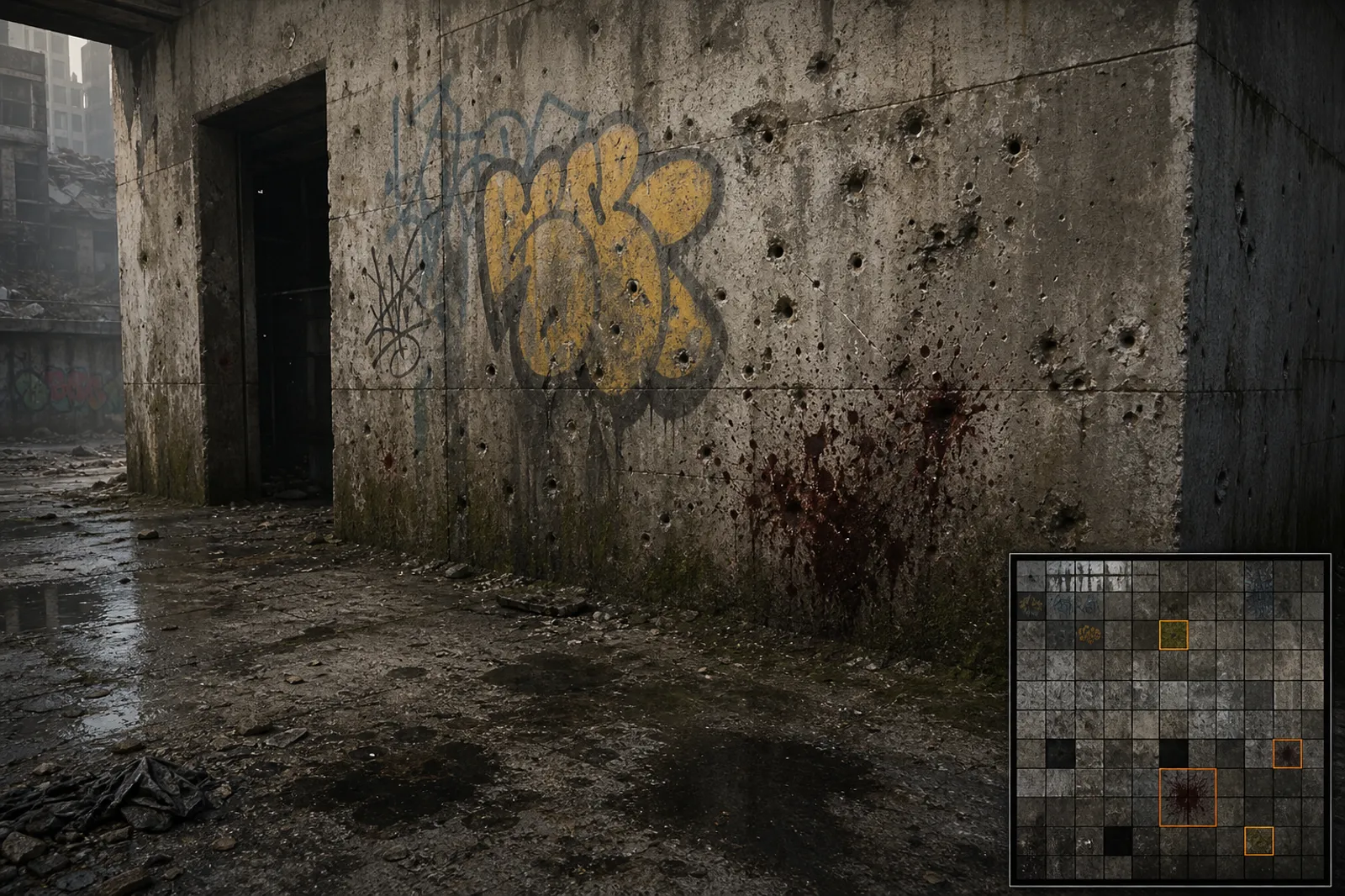
गहराई से जानें:
- Pranckevičius, Deferred Decals और follow-ups (Aras की classic blog series)।
- Mittring, The Technology Behind the "Unreal Engine 4 Elemental Demo" (SIGGRAPH 2012, इसमें virtual texturing की जानकारी है)।
- van Waveren, id Tech 5 Challenges: From Texture Virtualization to Massive Parallelization (SIGGRAPH 2009, MegaTexture talk)।
- Williams, Material Layering in The Order: 1886 (GDC 2014, layered PBR materials)।
14. Order-independent transparency
Hair, foliage, particles और glass साफ़-साफ़ sort नहीं होते। AAA engines उन्हें CPU sort step के बिना सही ढंग से render करने के लिए weighted blended OIT, depth peeling, या per-pixel linked lists जैसी तकनीकें इस्तेमाल करते हैं। foliage से भरे scene में यह चुपचाप frame के सबसे महँगे हिस्सों में से एक होता है।
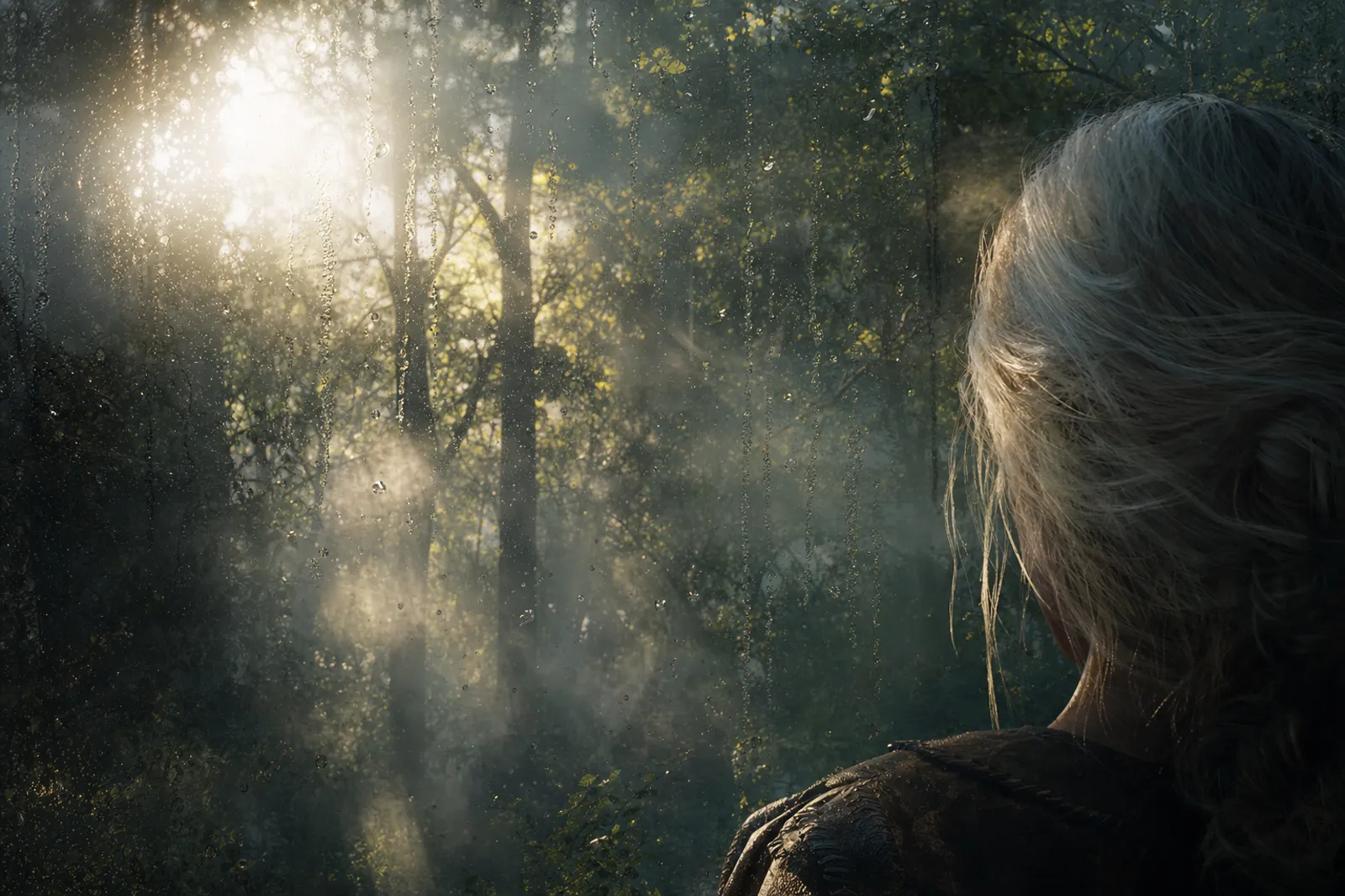
गहराई से जानें:
- McGuire और Bavoil, Weighted Blended Order-Independent Transparency (JCGT 2013, WBOIT paper)।
- Bavoil और Myers, Order Independent Transparency with Dual Depth Peeling (NVIDIA whitepaper)।
- Yang et al., Real-Time Concurrent Linked List Construction on the GPU (per-pixel linked list reference)।
- Wyman, Exploring and Expanding the Continuum of OIT Algorithms (HPG 2016, तुलनात्मक survey)।
15. Neural radiance caching और ML denoisers
सबसे नई परत। NVIDIA का neural radiance cache हर scene के indirect lighting को सीखता है और और rays trace करने की बजाय उसे query करता है। ML denoisers (OptiX, Intel Open Image Denoise, custom in-house) sparse ray-traced signals को मिलीसेकंड में साफ़ कर देते हैं। उम्मीद कीजिए कि यह श्रेणी अगले दो सालों में तेज़ी से बढ़ेगी।
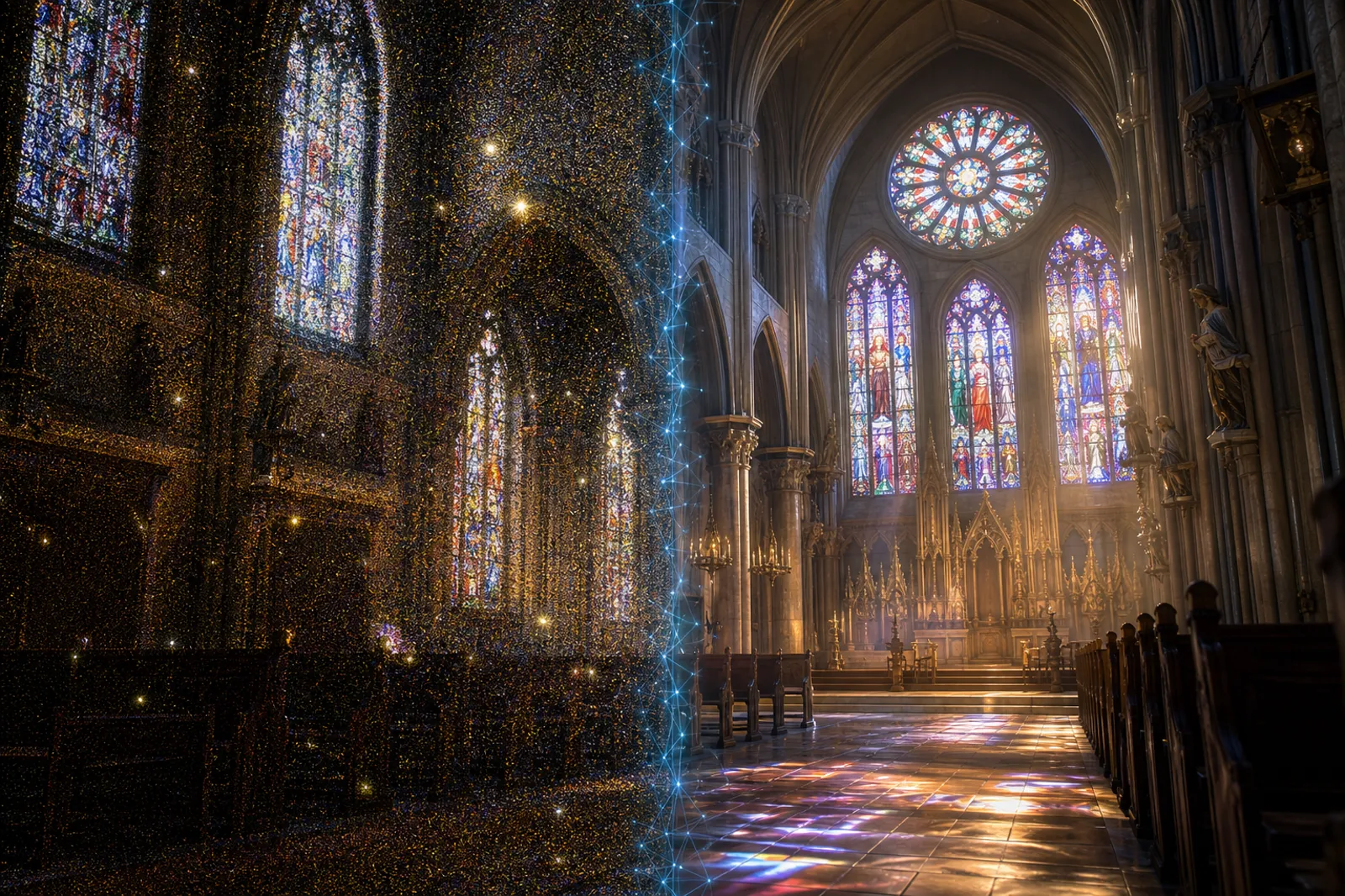
गहराई से जानें:
- Müller et al., Real-Time Neural Radiance Caching for Path Tracing (SIGGRAPH 2021, NRC paper)।
- Schied et al., Spatiotemporal Variance-Guided Filtering: Real-Time Reconstruction for Path-Traced Global Illumination (HPG 2017, SVGF)।
- Chaitanya et al., Interactive Reconstruction of Monte Carlo Image Sequences using a Recurrent Denoising Autoencoder (SIGGRAPH 2017, पहला recurrent ML denoiser)।
- Intel, Open Image Denoise documentation (open-source production denoiser)।
browser के लिए इसका क्या मतलब है
हमने इनमें से कई तकनीकें अपने open-world browser engine में WebGPU पर ship की हैं। Cascaded shadow maps, GPU-driven instancing, triplanar PBR, screen-space fog, और clipmap आधारित virtualized terrain, ये सब एक tab में 120 FPS पर चलते हैं। बाकी (hardware ray tracing, mesh shaders, ML upscaling) web पर तब आ रहा है जब WebGPU spec इन्हें पकड़ रहा है। और गहराई से जानने के लिए, browser open-world tech और landscape generation पर हमारी guides देखें।
पूरे stack पर और पढ़ने के लिए
अगर आप एक किताब पढ़ना चाहते हैं, तो Real-Time Rendering, 4th edition standard reference है जो ऊपर बताए ज़्यादातर विषयों को कवर करती है। चलते-फिरते research के लिए, SIGGRAPH की "Advances in Real-Time Rendering in Games" course archive (advances.realtimerendering.com) में 2006 से लेकर अब तक के AAA-engine deep dives की मुफ़्त PDFs हैं। किसी खास game अपने frame को कैसे render करता है इसके production tear-downs के लिए, Adrian Courrèges के GPU profiling articles ज़रूर पढ़ें।