आधुनिक AAA games में इस्तेमाल होने वाली rendering तकनीकों की एक छोटी सूची
Oleg Sidorkin द्वारा, Cinevva के CTO और सह-संस्थापक
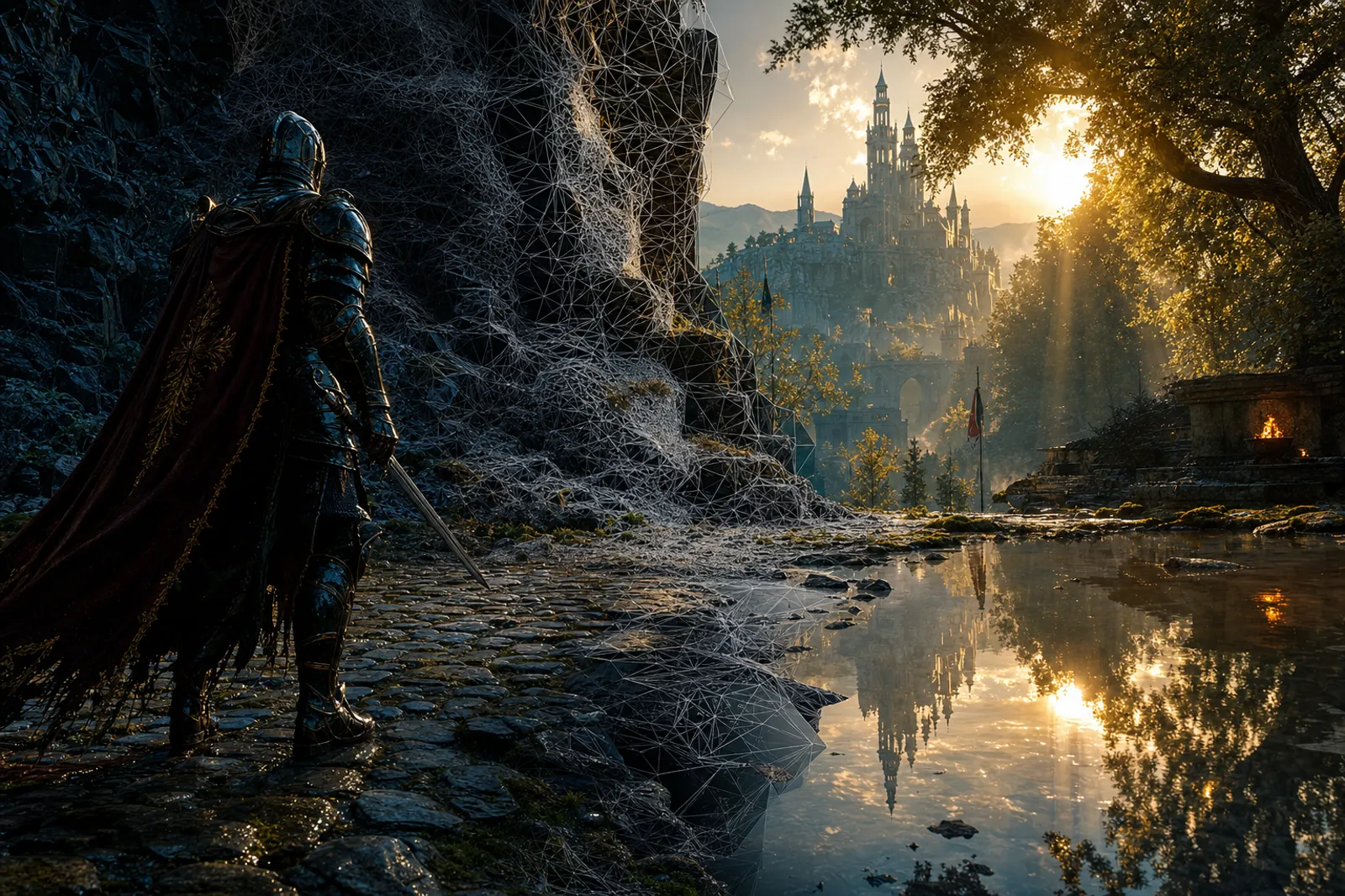
अगर आप 2026 के किसी AAA गेम की रेंडरिंग पाइपलाइन खोलकर देखें, तो उसमें मिलने वाली ज़्यादातर चीज़ों की जड़ें कुछ चुनिंदा तकनीकों में मिलेंगी, जिन्हें अलग-अलग स्टूडियो अपने गेम्स में इस्तेमाल करते हैं। इंजन के अनुसार नाम बदलते हैं, लेकिन मूल विचार वही रहते हैं। यहाँ उन तकनीकों की एक संक्षिप्त सूची है जो वास्तव में स्क्रीन पर काम कर रही होती हैं—हर तकनीक के लिए एक चित्र और कुछ गहन तकनीकी संदर्भों के साथ। मैंने इसे सितंबर 2026 में Unreal Engine 5.8 में हुए बदलावों और अब ब्राउज़र में चलने वाली तकनीकों की जानकारी के साथ अपडेट किया है, और अंत में सामान्य प्रश्नों का एक खंड भी जोड़ा है।
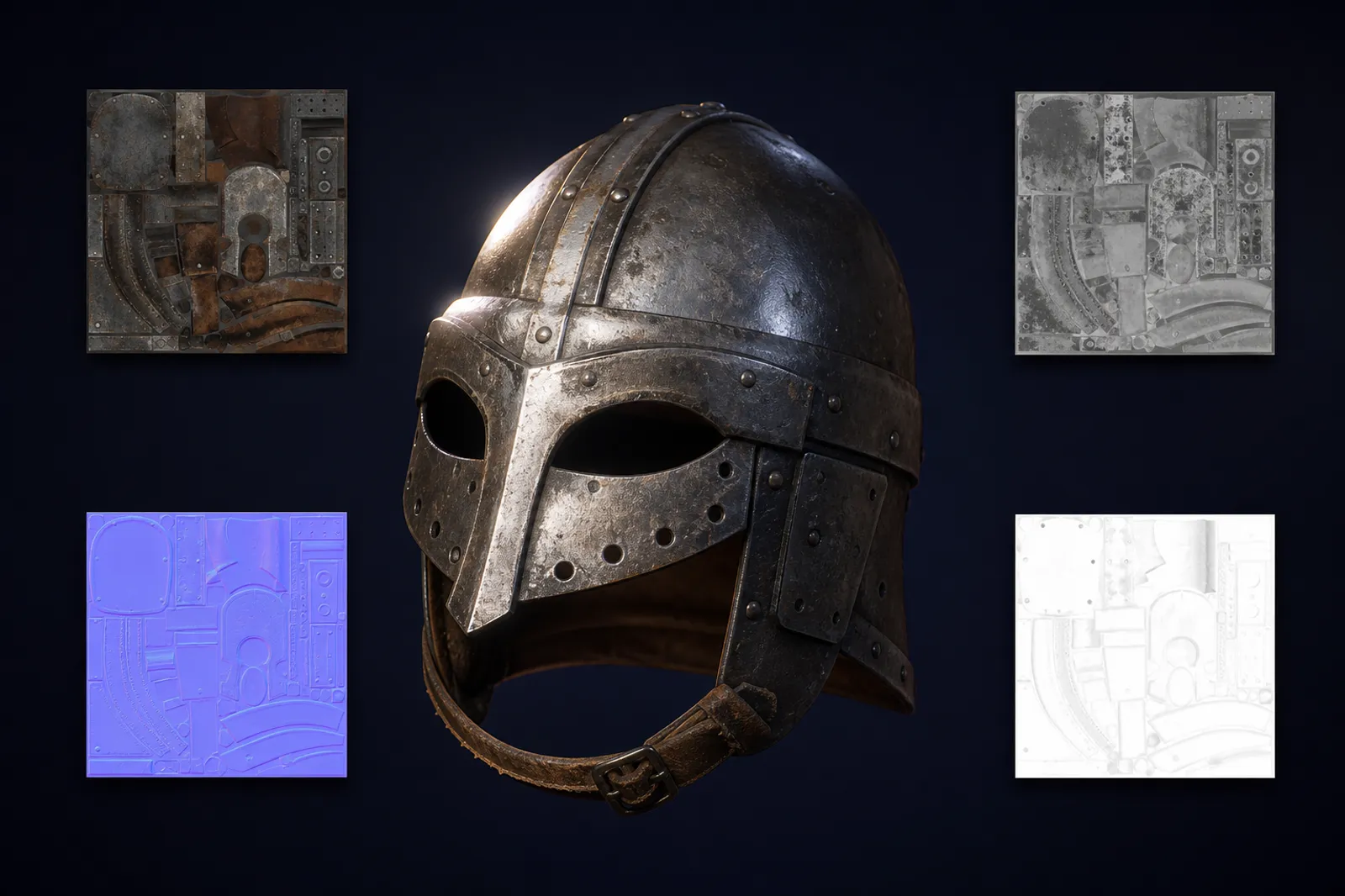
1. भौतिकी-आधारित रेंडरिंग (PBR)
मटेरियल को एल्बीडो, रफ़नेस, मेटैलिक, नॉर्मल और एम्बिएंट ऑक्लूज़न टेक्सचर द्वारा परिभाषित किया जाता है, और उन्हें ऊर्जा-संरक्षण करने वाले शेडर्स (Cook-Torrance स्पेक्युलर, Lambertian या Disney डिफ्यूज़) से प्रकाशित किया जाता है। यह वह आधार है जिसे हर आधुनिक AAA इंजन मानकर चलता है। अगर कोई सतह सूर्य के प्रकाश, लैंप की रोशनी और फ़्लैशलाइट में एकसमान दिखाई देती है, तो इसका कारण PBR है।
गहन अध्ययन:
- Burley, Disney में भौतिकी-आधारित शेडिंग (मूल "Disney BRDF" पाठ्यक्रम नोट्स, SIGGRAPH 2012)।
- Karis, Unreal Engine 4 में वास्तविक शेडिंग (SIGGRAPH 2013, UE4 PBR पर मानक व्याख्यान)।
- Lagarde और de Rousiers, Frostbite को भौतिकी-आधारित रेंडरिंग 3.0 पर ले जाना (SIGGRAPH 2014, पूरी Frostbite पाइपलाइन)।
- Real-Time Rendering, चौथा संस्करण, अध्याय 9 (मानक पाठ्यपुस्तक संदर्भ)।
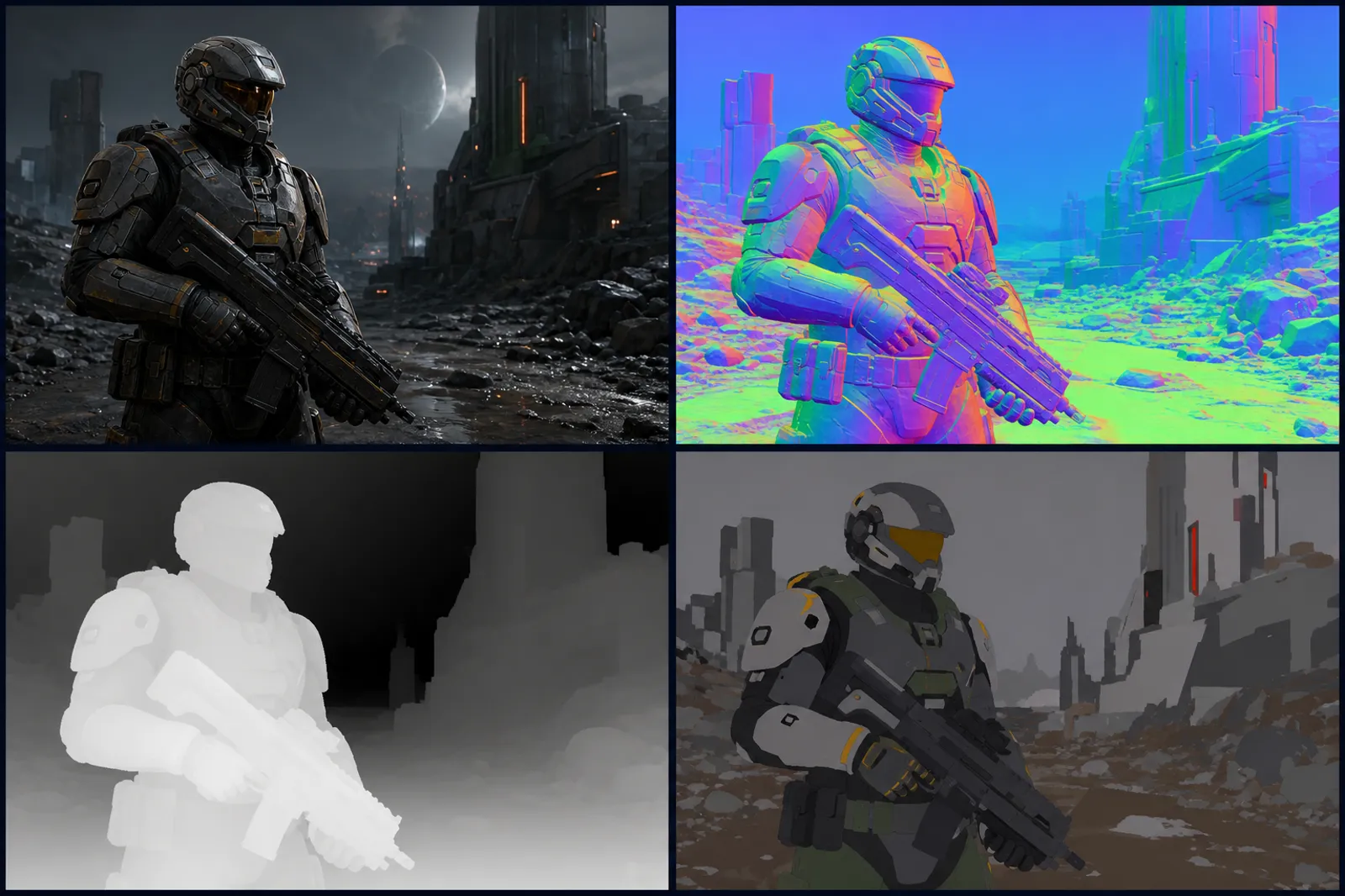
2. डिफर्ड और विज़िबिलिटी-बफ़र शेडिंग
ज्योमेट्री पहले एट्रिब्यूट्स (नॉर्मल, मटेरियल ID और डेप्थ) को G-buffer या विज़िबिलिटी बफ़र में लिखती है। फिर लाइटिंग एक फ़ुलस्क्रीन पास के रूप में चलती है, जो उन बफ़र्स को पढ़कर हर पिक्सेल को केवल एक बार शेड करती है। विज़िबिलिटी बफ़र (जिनका उपयोग Nanite और इसी तरह की प्रणालियाँ करती हैं) केवल ट्रायंगल ID संग्रहीत करके और बाद में प्रति-पिक्सेल मटेरियल पैरामीटर निर्धारित करके इसे और आगे ले जाते हैं। इससे घनी ज्योमेट्री पर ओवरड्रॉ कम खर्चीला रहता है।
गहन अध्ययन:
- Engel, डिफर्ड शेडिंग (NVIDIA, आधारभूत व्याख्यान)।
- Burns और Hunt, विज़िबिलिटी बफ़र: डिफर्ड शेडिंग के लिए कैश-अनुकूल तरीका (JCGT 2013, मूल विज़िबिलिटी बफ़र शोधपत्र)।
- Wihlidal, "कंप्यूट की मदद से ग्राफ़िक्स पाइपलाइन का अनुकूलन" (GDC 2016, Frostbite का कंप्यूट-आधारित डिफर्ड पाथ)।
- Karis, Stubbe, Wihlidal, Nanite वर्चुअलाइज़्ड ज्योमेट्री का गहन अध्ययन (SIGGRAPH 2021, इसमें Nanite विज़िबिलिटी बफ़र का विस्तृत विवरण शामिल है)।
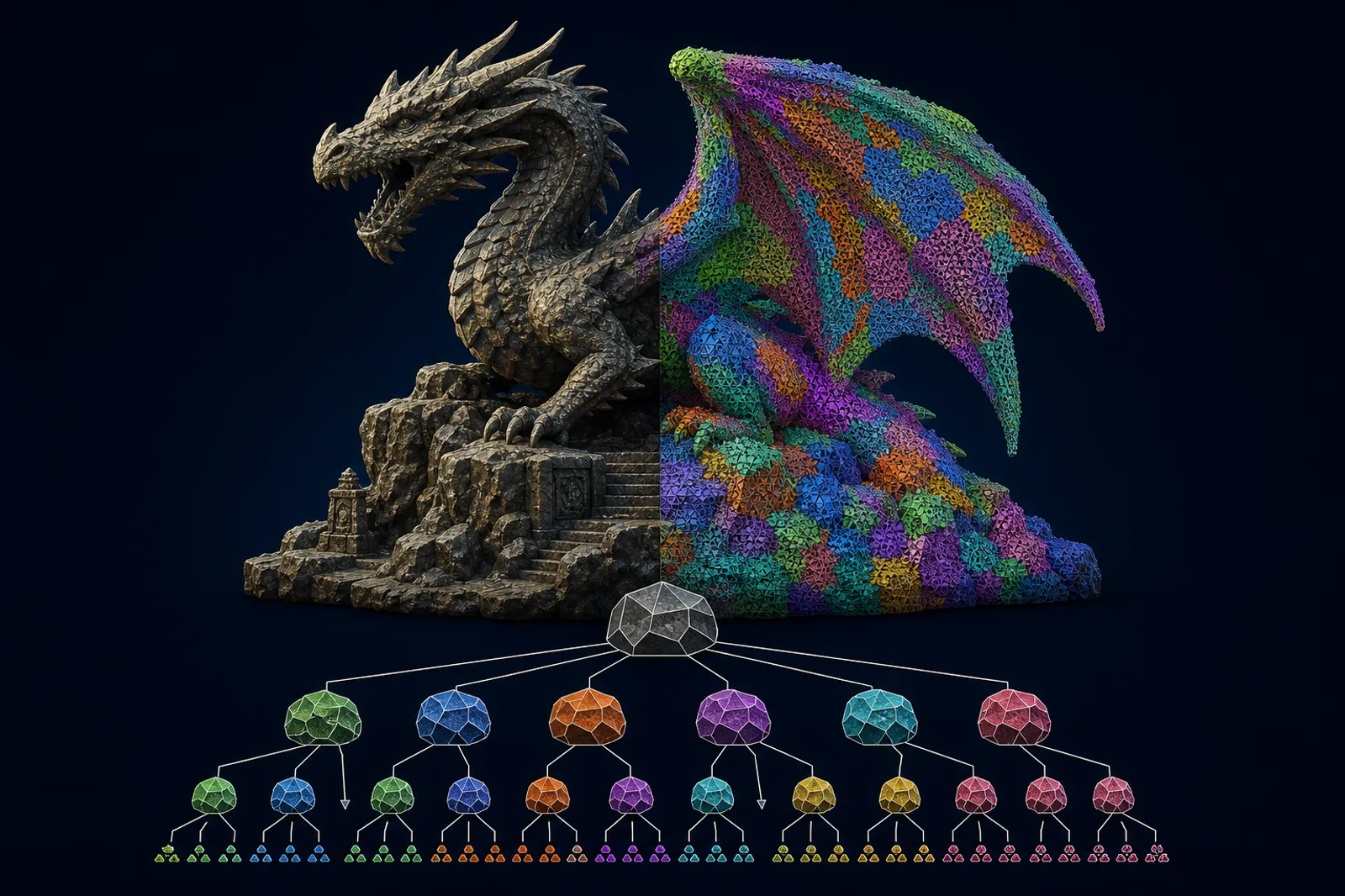
3. वर्चुअलाइज़्ड ज्योमेट्री (Nanite-शैली)
मेश को पहले से क्लस्टर्स की एक पदानुक्रमित संरचना में तैयार किया जाता है। रनटाइम पर GPU हर पिक्सेल से मेल खाने वाले रिज़ॉल्यूशन पर क्लस्टर्स को स्ट्रीम और चुनता है, जिससे मैन्युअल LOD के बिना सब-पिक्सेल-सटीक डिटेल मिलती है। Unreal का Nanite इसका सबसे प्रमुख उदाहरण है। अब दूसरे इंजन भी इसके अपने संस्करण उपलब्ध करा रहे हैं। व्यावहारिक परिणाम यह है कि LOD बनाने की आवश्यकता के बिना फ़िल्म-गुणवत्ता वाले एसेट्स रियल टाइम में इस्तेमाल किए जा सकते हैं। जून 2026 में जारी Unreal Engine 5.8 ने हैंडहेल्ड प्लेटफ़ॉर्म पर Nanite रास्टराइज़ेशन और कलिंग के प्रदर्शन को बेहतर बनाया और वनस्पति के लिए प्रति-पिक्सेल प्रोग्रामेबल दूरी नियंत्रण जोड़ा, जैसा कि Tom Looman के 5.8 प्रदर्शन नोट्स में बताया गया है। Epic ने यह भी कहा है कि डेवलपमेंट के Unreal Engine 6 पर जाने से पहले 5.8 अंतिम 5.x रिलीज़ है।
गहन अध्ययन:
- Karis, Stubbe, Wihlidal, Nanite वर्चुअलाइज़्ड ज्योमेट्री का गहन अध्ययन (SIGGRAPH 2021)।
- Brian Karis, Nanite पर GDC 2021 व्याख्यान (आसानी से समझ आने वाला वीडियो परिचय)।
- Liktor, Activision में ज्योमेट्री रेंडरिंग पाइपलाइन आर्किटेक्चर (क्लस्टर-आधारित रेंडरिंग, 2021)।
- Schied एवं अन्य, स्पेशियोटेम्पोरल वैरिएंस-गाइडेड फ़िल्टरिंग (संबंधित क्लस्टर कलिंग तकनीकें)।
4. छायाओं, प्रतिबिंबों और AO के लिए रियल-टाइम रे ट्रेसिंग
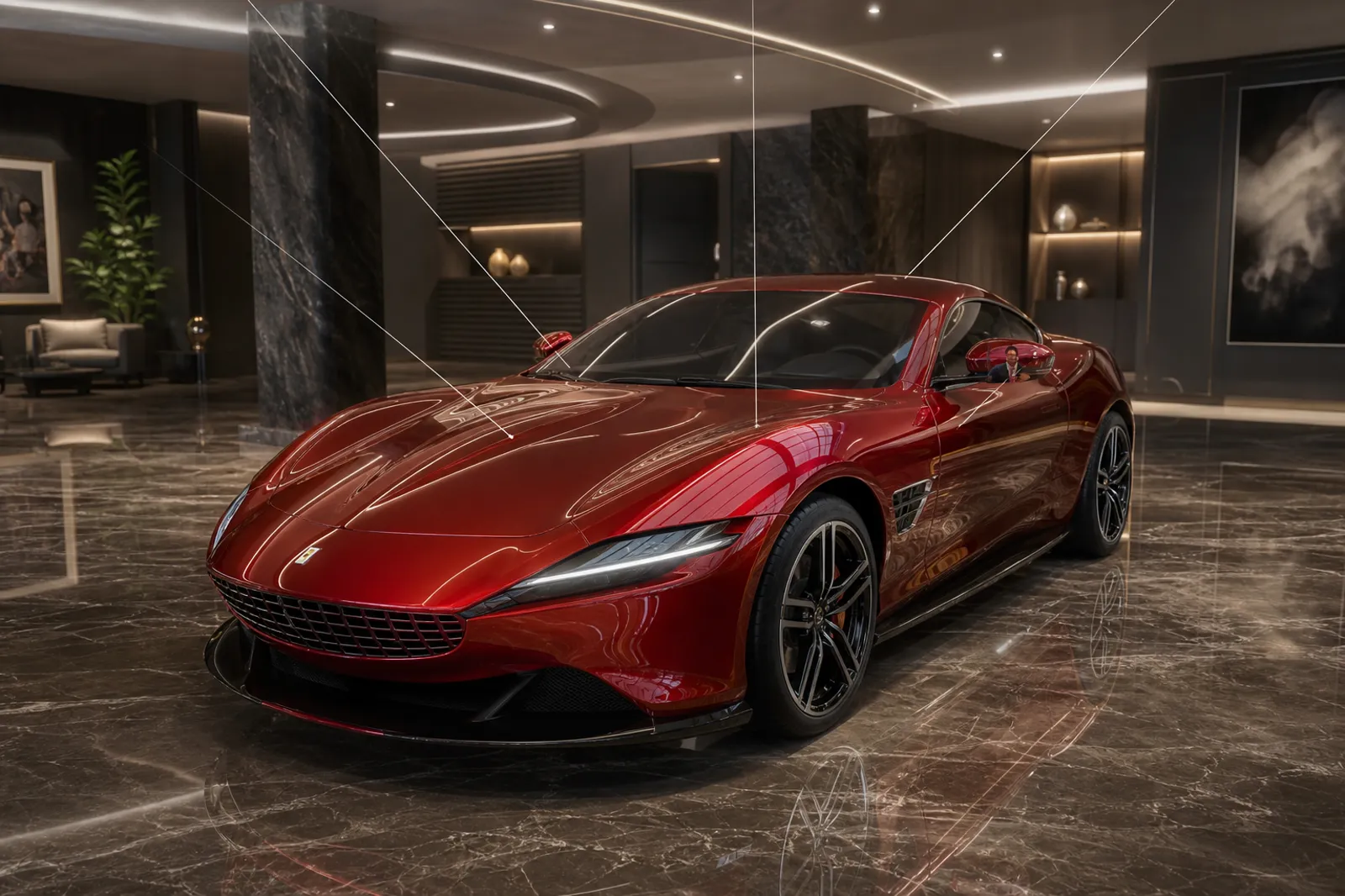
हार्डवेयर रे ट्रेसिंग (DXR, Vulkan RT) हर फ़्रेम बनाए गए BVH के विरुद्ध शैडो रेज़, मिरर और ग्लॉसी रिफ़्लेक्शन रेज़ तथा एम्बिएंट ऑक्लूज़न रेज़ को ट्रेस करती है। प्रति पिक्सेल कुछ ही रेज़ भी स्क्रीन-स्पेस तकनीकों से बेहतर परिणाम देती हैं, विशेषकर ऑफ़-स्क्रीन प्रतिबिंबों और कॉन्टैक्ट शैडोज़ के लिए। ज़्यादातर गेम इसका इस्तेमाल चुनिंदा जगहों पर करते हैं, हर चीज़ के लिए नहीं।
गहन अध्ययन:
- Microsoft, DirectX Raytracing (DXR) फ़ंक्शनल स्पेसिफ़िकेशन (API संदर्भ)।
- Wyman, DirectX Raytracing का परिचय (SIGGRAPH पाठ्यक्रम नोट्स, समझने में बहुत आसान)।
- Boksansky और Marrs, Ray Tracing Gems II, अध्याय 17-19 (मुफ़्त PDF, आधुनिक DXR तकनीकें)।
- Stachowiak, स्टोकैस्टिक स्क्रीन-स्पेस रिफ़्लेक्शंस (Frostbite, SSR से RT तक की कड़ी)।
5. सॉफ़्टवेयर रे ट्रेसिंग (Lumen-शैली)
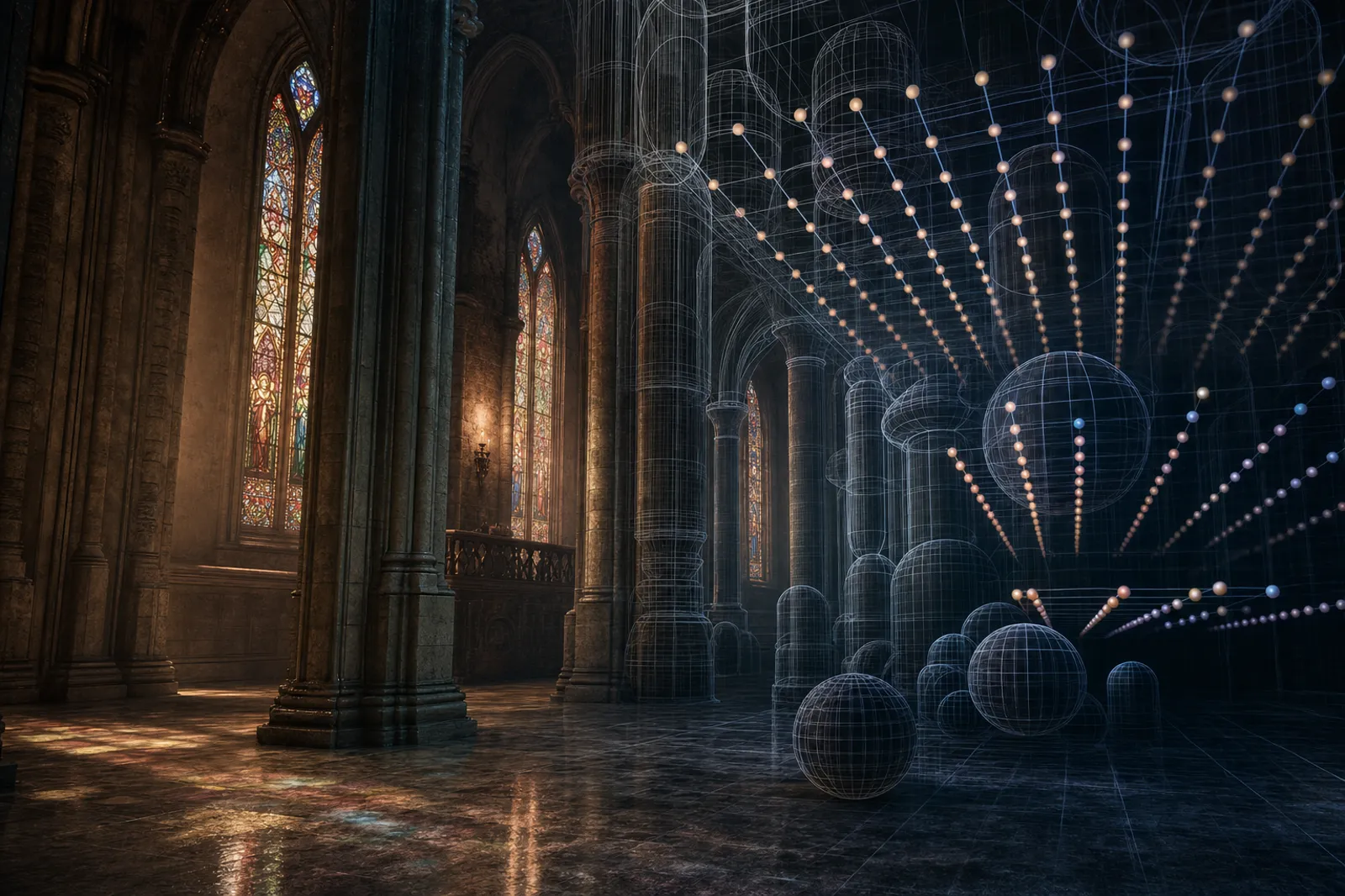
हर खिलाड़ी के पास RTX कार्ड नहीं होता, इसलिए इंजन डिस्टेंस-फ़ील्ड या सरफ़ेस-कैश फ़ॉलबैक भी उपलब्ध कराते हैं। उदाहरण के लिए, Unreal का Lumen कम लागत वाली डिफ्यूज़ GI के लिए साइन्ड डिस्टेंस फ़ील्ड्स और सरफ़ेस कैश के विरुद्ध ट्रेस करता है, और केवल आवश्यकता पड़ने पर हार्डवेयर रेज़ का उपयोग करता है। इसी तरह AAA गेम्स कंसोल पर "रे-ट्रेस्ड लुक" हासिल करते हैं। UE 5.8 ने "Lumen Lite" मोड जोड़ा, जो Lumen के उच्च-गुणवत्ता वाले पाथ से लगभग दोगुना तेज़ है और PlayStation 5 पर 60 fps के लिए बनाया गया है। साथ ही, इसके स्टोकैस्टिक बहु-लाइट सिस्टम MegaLights को प्रोडक्शन के लिए तैयार दर्जा दिया गया, जैसा कि CG Channel के 5.8 सारांश में बताया गया है।
गहन अध्ययन:
- Wright एवं अन्य, Lumen: Unreal Engine 5 में रियल-टाइम ग्लोबल इल्यूमिनेशन (SIGGRAPH 2022, Lumen शोधपत्र)।
- Epic Games, Lumen के तकनीकी विवरण (आधिकारिक इंजन दस्तावेज़)।
- Wright, रियल-टाइम ग्लोबल इल्यूमिनेशन के लिए रेडिएंस कैशिंग (SIGGRAPH 2021)।
- Wright, Lumen पर GDC 2022 व्याख्यान (वीडियो संस्करण)।
6. ReSTIR और रिज़र्वॉयर सैंपलिंग
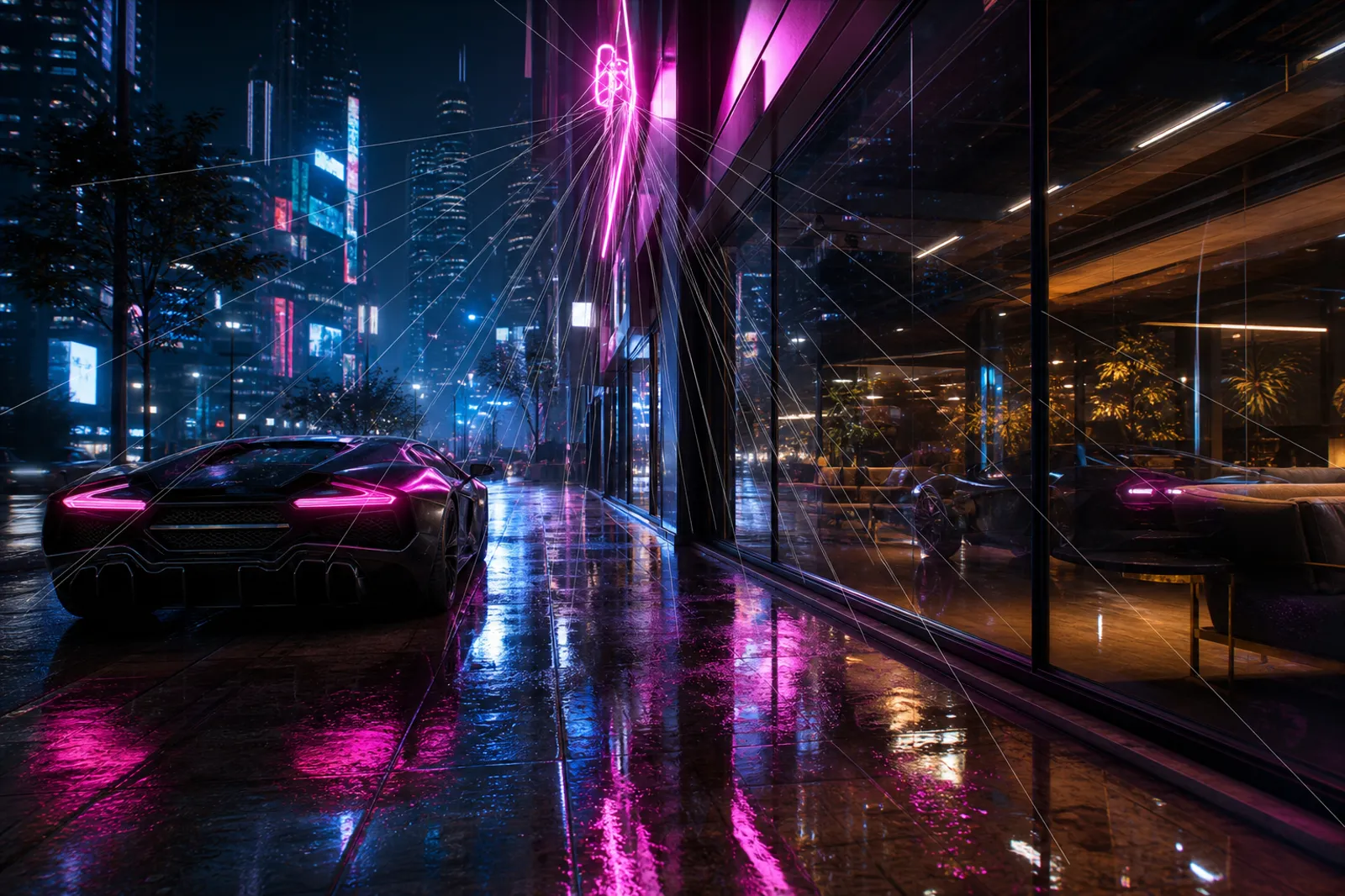
हज़ारों प्रकाश स्रोतों वाली प्रत्यक्ष और अप्रत्यक्ष लाइटिंग के लिए ReSTIR (Reservoir Spatio-Temporal Importance Resampling) पिक्सेल और फ़्रेम के बीच लाइट सैंपल्स का दोबारा उपयोग करता है। इसी से Path Tracing वाले Cyberpunk 2077 जैसे गेम प्रति पिक्सेल केवल एक या दो रेज़ पर भी नॉइज़ कम रख पाते हैं। जैसे-जैसे पाथ ट्रेसिंग उच्च-स्तरीय लक्ष्य बनती जाएगी, यह तकनीक और अधिक इंजनों में दिखाई देगी।
गहन अध्ययन:
- Bitterli एवं अन्य, डायनेमिक डायरेक्ट लाइटिंग के साथ रियल-टाइम रे ट्रेसिंग के लिए स्पेशियोटेम्पोरल रिज़र्वॉयर रीसैंपलिंग (SIGGRAPH 2020, मूल ReSTIR शोधपत्र)।
- Ouyang एवं अन्य, ReSTIR GI: रियल-टाइम पाथ ट्रेसिंग के लिए पाथ रीसैंपलिंग (HPG 2021, अप्रत्यक्ष इल्यूमिनेशन वाला ReSTIR)।
- Lin एवं अन्य, सामान्यीकृत रीसैंपल्ड इम्पोर्टेंस सैंपलिंग (SIGGRAPH 2022, गणितीय आधार)।
- NVIDIA, Cyberpunk 2077 पाथ ट्रेसिंग तकनीक का गहन अध्ययन (इंजीनियरिंग ब्लॉग)।
7. वॉल्यूमेट्रिक बादल, कोहरा और वातावरण
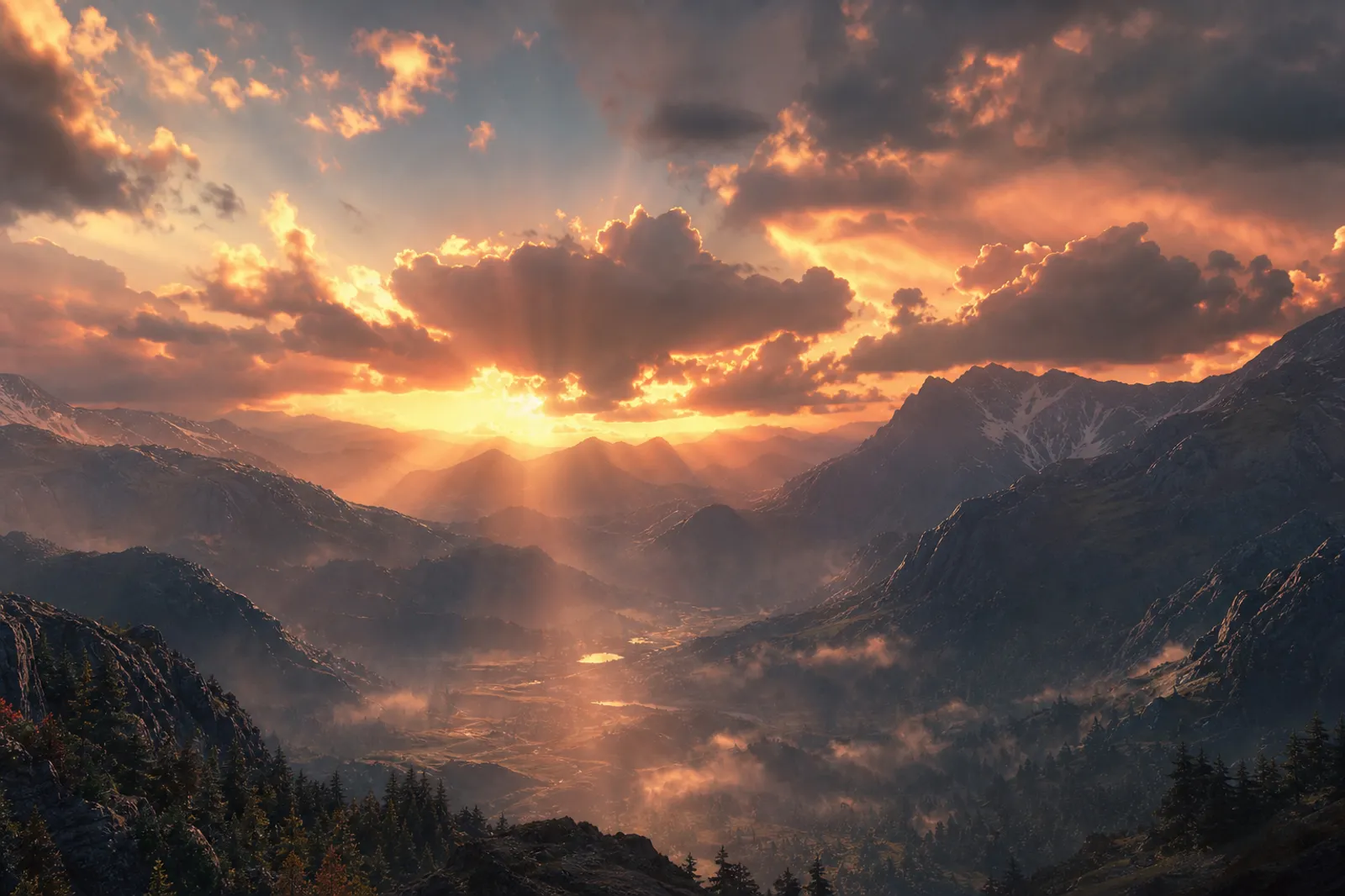
आकाश को 3D नॉइज़ और डेंसिटी वॉल्यूम के बीच रे-मार्च करके बनाया जाता है। वातावरण सूर्य और चंद्रमा के संक्रमणों के लिए पहले से गणना की गई स्कैटरिंग टेबल्स (Bruneton-शैली) का उपयोग करता है। कोहरा एक फ़्रॉक्सेल ग्रिड होता है—इसे व्यू फ़्रस्टम के अनुरूप 3D टेक्सचर की तरह समझें—जो स्थानीय लाइटिंग को कैप्चर करता है। साथ मिलकर ये किसी स्काईबॉक्स के बजाय "एक प्रणाली के रूप में मौसम" प्रदान करते हैं।
गहन अध्ययन:
- Schneider, Horizon Zero Dawn के रियल-टाइम वॉल्यूमेट्रिक क्लाउडस्केप्स (SIGGRAPH 2015, बादलों पर मानक संदर्भ)।
- Hillaire, एक स्केलेबल और प्रोडक्शन-रेडी आकाश एवं वातावरण रेंडरिंग तकनीक (EGSR 2020, UE5 में इस्तेमाल किया गया आधुनिक Bruneton उत्तराधिकारी)।
- Wronski, वॉल्यूमेट्रिक फ़ॉग: वायुमंडलीय स्कैटरिंग के लिए एकीकृत कंप्यूट शेडर-आधारित समाधान (SIGGRAPH 2014, Assassin's Creed 4 का फ़्रॉक्सेल फ़ॉग)।
- Hillaire, Frostbite में भौतिकी-आधारित और एकीकृत वॉल्यूमेट्रिक रेंडरिंग (SIGGRAPH 2015)।
8. कैस्केडेड शैडो मैप्स और वर्चुअल शैडो मैप्स
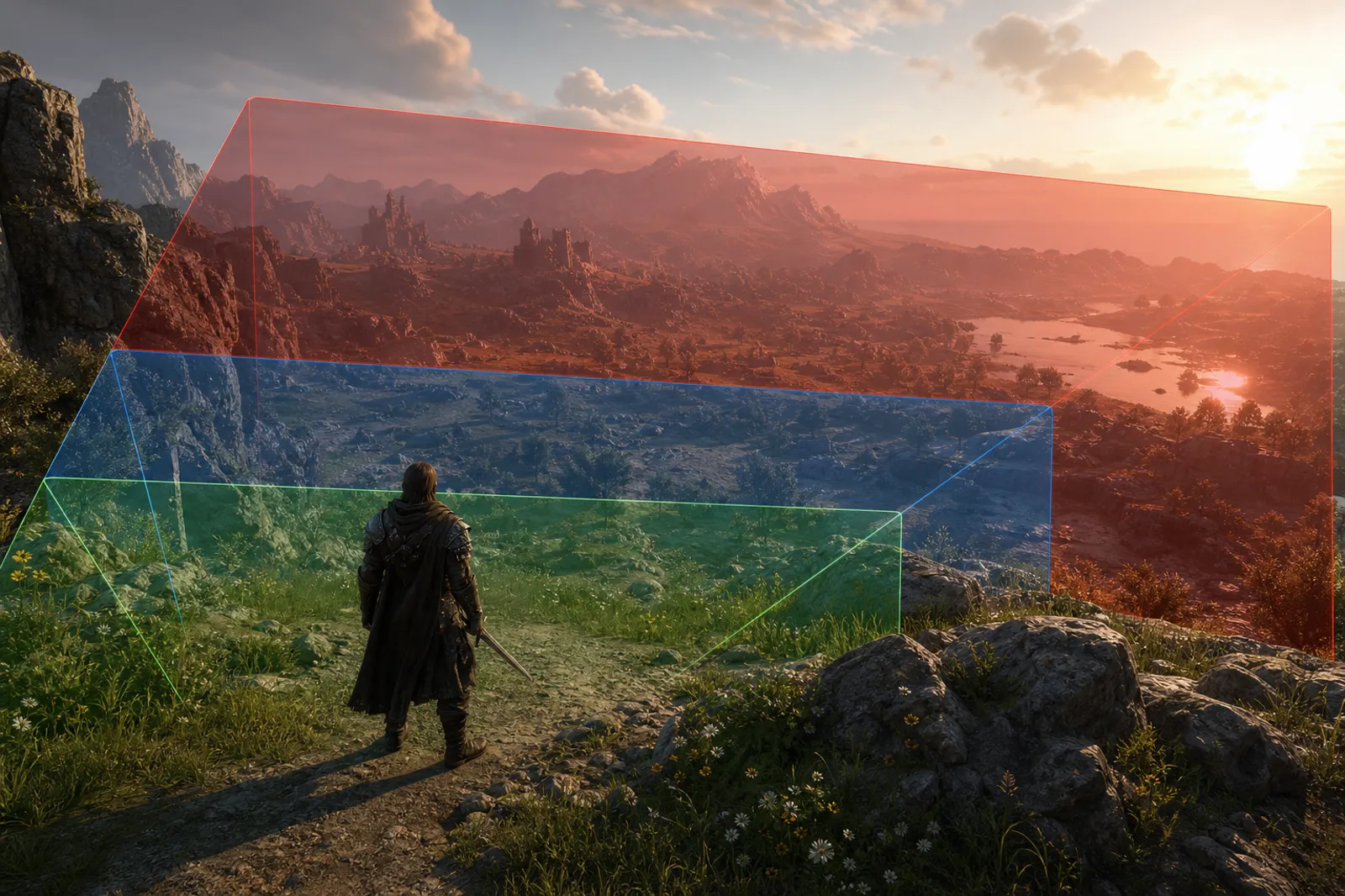
सूर्य की छायाओं के लिए कैस्केडेड शैडो मैप्स फ़्रस्टम को कई रेंज में बाँटते हैं और हर रेंज को उपयुक्त रिज़ॉल्यूशन पर रेंडर करते हैं। वर्चुअल शैडो मैप्स इसे और आगे ले जाते हैं: एक विशाल शैडो मैप को पेजों में विभाजित किया जाता है और केवल कैमरे से दिखाई देने वाले पेज ही रेंडर किए जाते हैं। इसी तरह AAA गेम्स बहुत अधिक मेमोरी खर्च किए बिना खिलाड़ी के पास स्पष्ट छायाएँ बनाए रखते हैं। Epic के VSM दस्तावेज़ प्रत्येक लाइट के लिए वर्चुअल रिज़ॉल्यूशन 16k गुणा 16k बताते हैं। UE 5.8 ने पहले से फ़िल्टर किया हुआ एक दूरस्थ पाथ भी जोड़ा, जो दूर स्थित शैडो कास्टर्स को बहुत कम रिज़ॉल्यूशन पर क्लिपमैप में ड्रॉ करता है, साथ ही पेज इनवैलिडेशन के लिए थ्रॉटलिंग भी जोड़ी गई, जैसा कि Tom Looman के नोट्स में बताया गया है।
गहन अध्ययन:
- Dimitrov, कैस्केडेड शैडो मैप्स (NVIDIA श्वेतपत्र, मानक संदर्भ)।
- Microsoft, शैडो डेप्थ मैप्स को बेहतर बनाने की सामान्य तकनीकें (DirectX दस्तावेज़)।
- Wright, Fortnite Battle Royale Chapter 4 में वर्चुअल शैडो मैप्स (SIGGRAPH 2023, UE5 VSM व्याख्यान)।
- Epic Games, वर्चुअल शैडो मैप्स दस्तावेज़।
9. स्क्रीन-स्पेस प्रभाव (SSAO, SSR, SSGI, SSSSS)
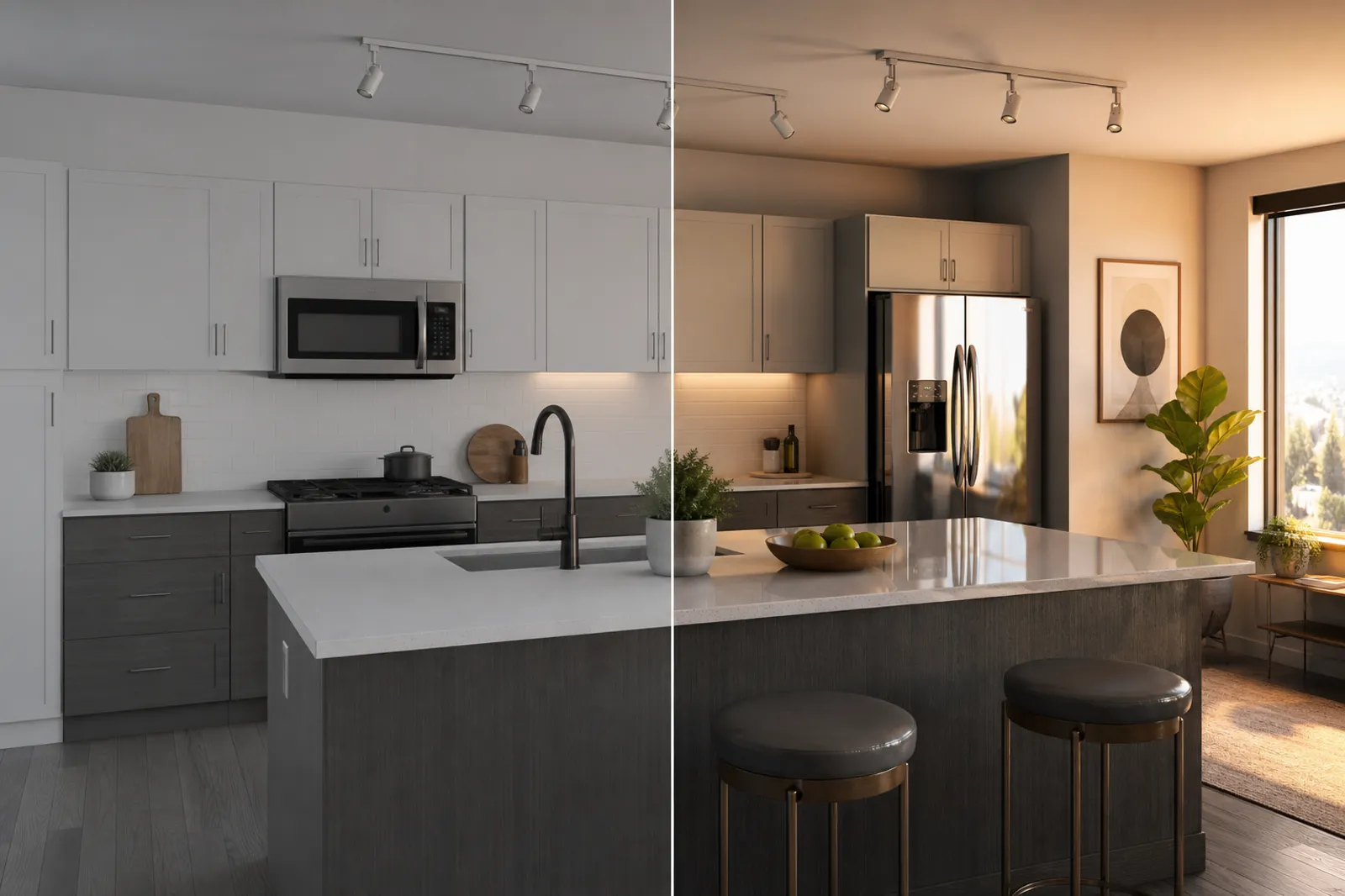
डेप्थ और नॉर्मल बफ़र्स को कम लागत में पढ़ने से एम्बिएंट ऑक्लूज़न (SSAO), रिफ़्लेक्शंस (SSR), एक-बाउंस ग्लोबल इल्यूमिनेशन (SSGI) और त्वचा के लिए सबसरफ़ेस स्कैटरिंग (SSSSS) मिलते हैं। ये ऑफ़-स्क्रीन डिटेल को कैप्चर नहीं कर पाते, इसलिए रे ट्रेसिंग इनकी जगह ले रही है, लेकिन तेज़ आधारभूत समाधान के रूप में ये अब भी लगभग हर जगह इस्तेमाल होते हैं।
 गहन अध्ययन: - Mittring, [अगली पीढ़ी की खोज: CryENGINE 2](https://www.crytek.com/wp-content/uploads/Finding%20Next%20Gen%20-%20CryEngine%202.pdf) (SIGGRAPH 2007, मूल SSAO शोधपत्र)। - McGuire et al., [स्केलेबल एम्बिएंट ऑब्स्क्यूरेंस](https://research.nvidia.com/publication/scalable-ambient-obscurance) (HPG 2012, आधुनिक SSAO)। - Stachowiak and Uludag, [स्टोकेस्टिक स्क्रीन-स्पेस रिफ्लेक्शंस](https://www.ea.com/frostbite/news/stochastic-screen-space-reflections) (Frostbite, SSR का प्रमुख संदर्भ)। - Jimenez, [सेपरेबल सबसर्फेस स्कैटरिंग](https://www.iryoku.com/separable-sss/) (अधिकांश AAA इंजनों में त्वचा के लिए इस्तेमाल होने वाली तकनीक)। - Mara et al., [डीप स्क्रीन स्पेस](https://research.activision.com/publications/2016/09/deep-g-buffers-for-stable-global-illumination-approximation) (Activision, SSGI की एक विकास-शृंखला)।
 10. टेम्पोरल एंटी-अलियासिंग और ML अपस्केलिंग (DLSS, FSR, XeSS)
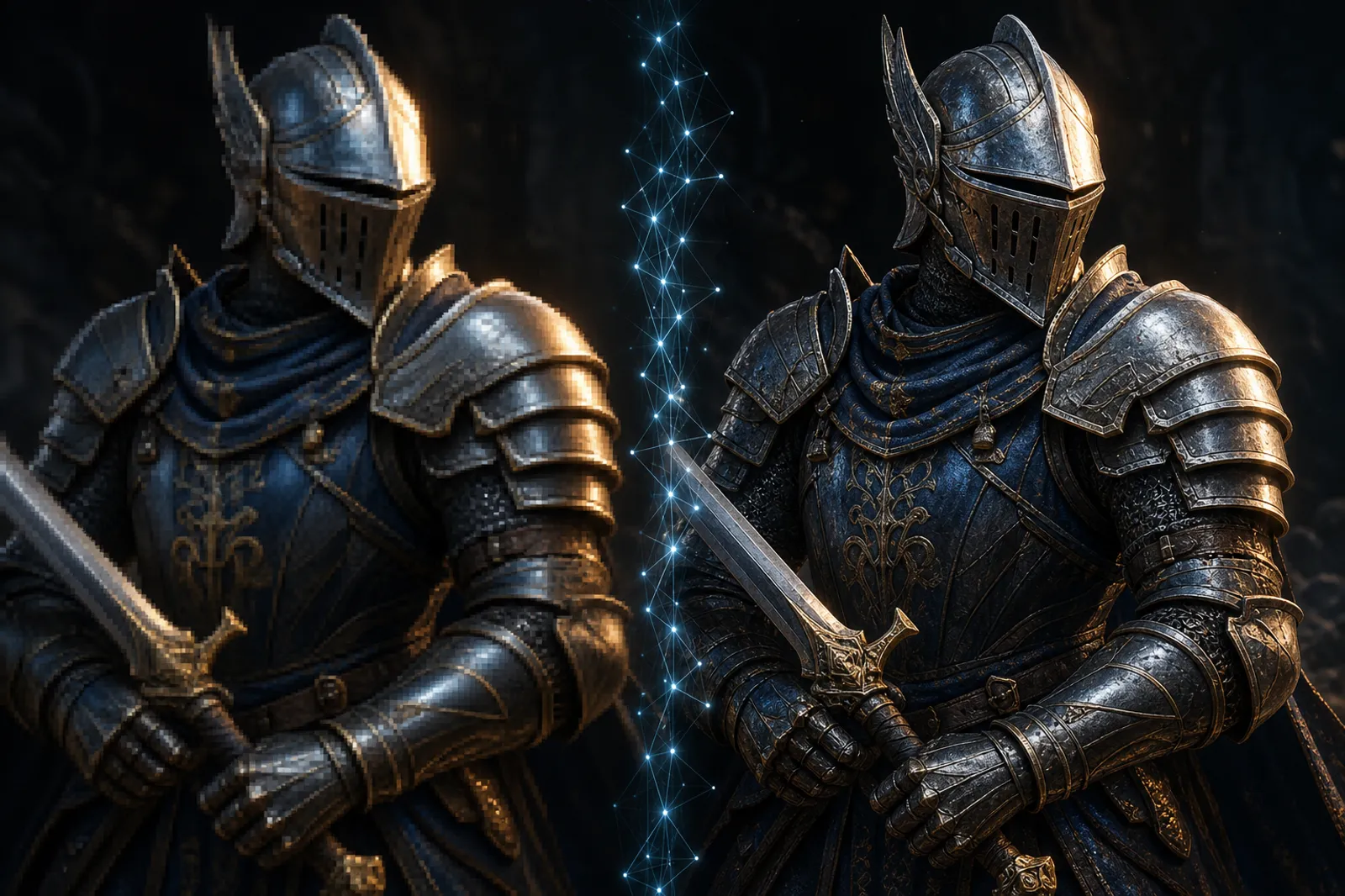
फ़्रेम को कम आंतरिक रिज़ॉल्यूशन पर रेंडर किया जाता है और मोशन वेक्टर, डेप्थ तथा पिछले फ़्रेमों के डेटा से पुनर्निर्मित किया जाता है। ML-आधारित अपस्केलर (DLSS 4, FSR 4, XeSS) इसके ऊपर फ़्रेम जनरेशन जोड़ते हैं और ऑप्टिकल फ़्लो से मध्यवर्ती फ़्रेम इंटरपोलेट करते हैं। AMD का FSR "Redstone" RDNA 4 हार्डवेयर पर ML फ़्रेम जनरेशन, रे रीजेनरेशन और न्यूरल रेडिएंस कैश के साथ FSR 4 का विस्तार करता है। यह सबसे स्पष्ट संकेत है कि अपस्केलिंग और डीनॉइज़िंग मिलकर एक ही न्यूरल चरण बन रहे हैं। अब अधिकांश AAA गेम यह मानकर रिलीज़ होते हैं कि अपस्केलर चालू रहेगा, जिससे फ़्रेम के शेष हिस्से के लिए प्रदर्शन बजट तय करने का तरीका बदल जाता है।
गहन अध्ययन:
- Karis, उच्च-गुणवत्ता वाला टेम्पोरल सुपरसैंपलिंग (SIGGRAPH 2014, TAA पर मानक प्रस्तुति)।
- Salvi, टेम्पोरल सुपरसैंपलिंग की यात्रा (NVIDIA, DLSS तक पहुँचने की प्रक्रिया पर)।
- Edelsten, वास्तव में अगली पीढ़ी: गेम और ग्राफ़िक्स में डीप लर्निंग जोड़ना (GDC 2019, DLSS आर्किटेक्चर)।
- AMD, FidelityFX Super Resolution 3 के तकनीकी विवरण और Intel, XeSS तकनीकी शोधपत्र।
11. GPU-संचालित रेंडरिंग और मेश शेडर
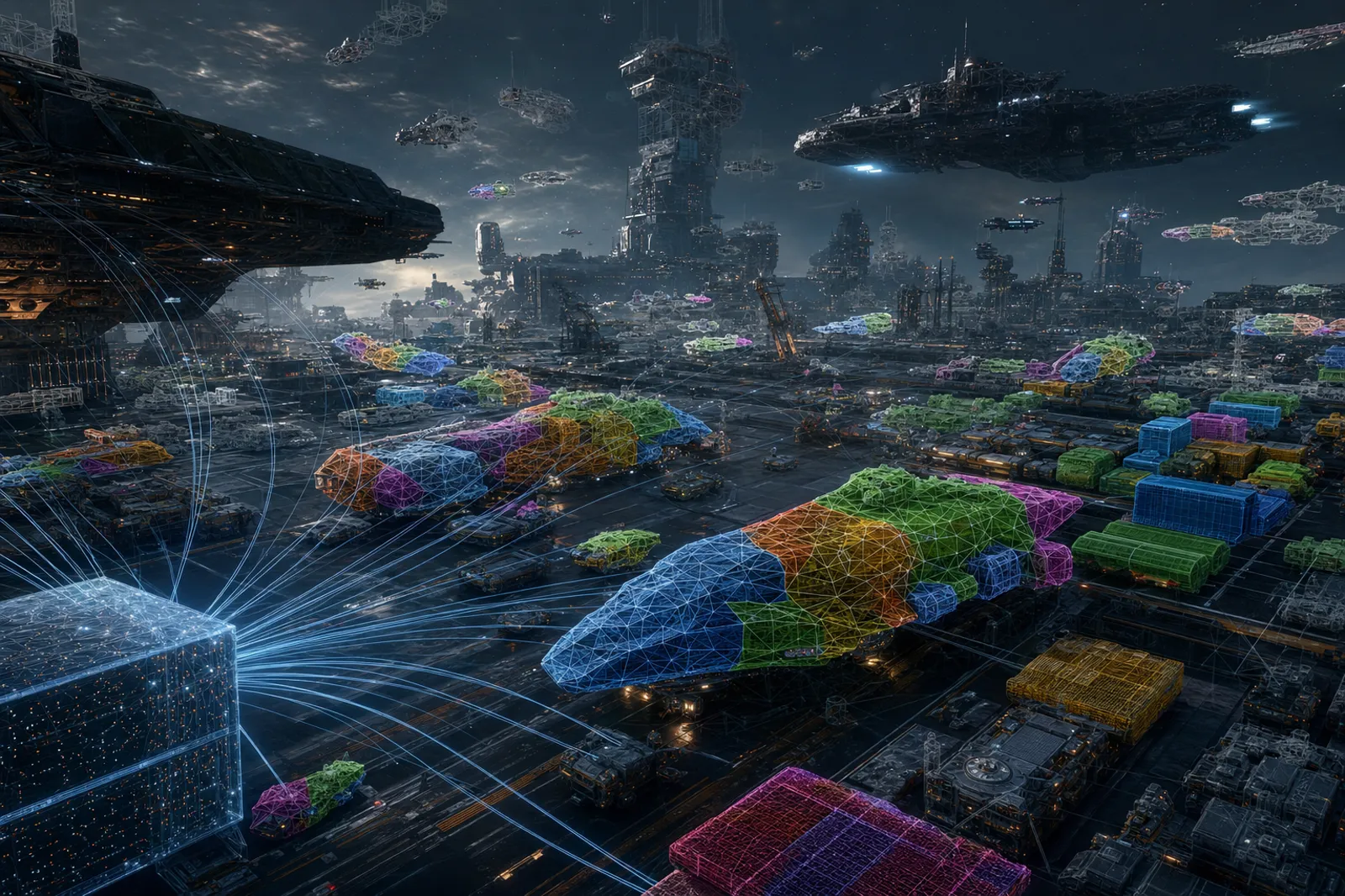
कलिंग, LOD चयन और ड्रॉ सबमिशन—ये सभी GPU पर चलते हैं। मेश शेडर वर्टेक्स/जियोमेट्री/टेसेलेशन पाइपलाइन की जगह अधिक लचीला कंप्यूट-शैली का चरण देते हैं, जो मेशलेट आउटपुट करता है। मल्टी-ड्रॉ इनडायरेक्ट के साथ मिलकर यह CPU को प्रति-ऑब्जेक्ट हॉट लूप से पूरी तरह बाहर रखता है।
गहन अध्ययन:
- Haar and Aaltonen, GPU-संचालित रेंडरिंग पाइपलाइन (SIGGRAPH 2015, Assassin's Creed Unity पर आधारभूत प्रस्तुति)।
- Wihlidal, कंप्यूट की मदद से ग्राफ़िक्स पाइपलाइन का अनुकूलन (GDC 2016, Frostbite की GPU-संचालित कलिंग)।
- Kubisch, Turing मेश शेडर का परिचय (NVIDIA, मेश शेडर की परिचयात्मक सामग्री)।
- Pesce, मेश शेडर का तूफ़ानी दौरा (और Adrian Courrèges के RenderDoc विश्लेषणों में संकलित इसी तरह के इंजीनियरिंग ब्लॉग)।
12. बाल, कपड़ा और त्वचा रेंडरिंग
बालों में स्ट्रैंड-आधारित जियोमेट्री (NVIDIA HairWorks, AMD TressFX या इंजन के अपने सिस्टम) के साथ Marschner-शैली की एनाइसोट्रॉपिक शेडिंग इस्तेमाल होती है। कपड़े को पोज़िशन-आधारित डायनेमिक्स से GPU पर सिमुलेट किया जाता है और एनाइसोट्रॉपिक स्पेक्युलर के साथ रेंडर किया जाता है। त्वचा में स्क्रीन-स्पेस सबसर्फेस स्कैटरिंग और पहले से इंटीग्रेट की गई रैप लाइटिंग इस्तेमाल होती है। आम तौर पर इन्हीं तीन क्षेत्रों में AAA और इंडी गेमों के बजट का अंतर सबसे साफ़ दिखाई देता है।

गहन अध्ययन:
- Marschner et al., मानव बालों के रेशों से प्रकाश का प्रकीर्णन (SIGGRAPH 2003, आधारभूत हेयर मॉडल)।
- Chiang et al., प्रोडक्शन पाथ ट्रेसिंग के लिए व्यावहारिक और नियंत्रित हेयर एवं फर मॉडल (Disney 2016, रियल-टाइम अनुमानों में व्यापक रूप से इस्तेमाल किया जाता है)।
- Müller et al., पोज़िशन-आधारित डायनेमिक्स (क्लॉथ सिमुलेशन का मानक संदर्भ)।
- Jimenez et al., सेपरेबल सबसर्फेस स्कैटरिंग और रियल-टाइम यथार्थवादी त्वचा पारभासिता।
13. डीकैल, वर्चुअल टेक्सचरिंग और मटेरियल लेयरिंग
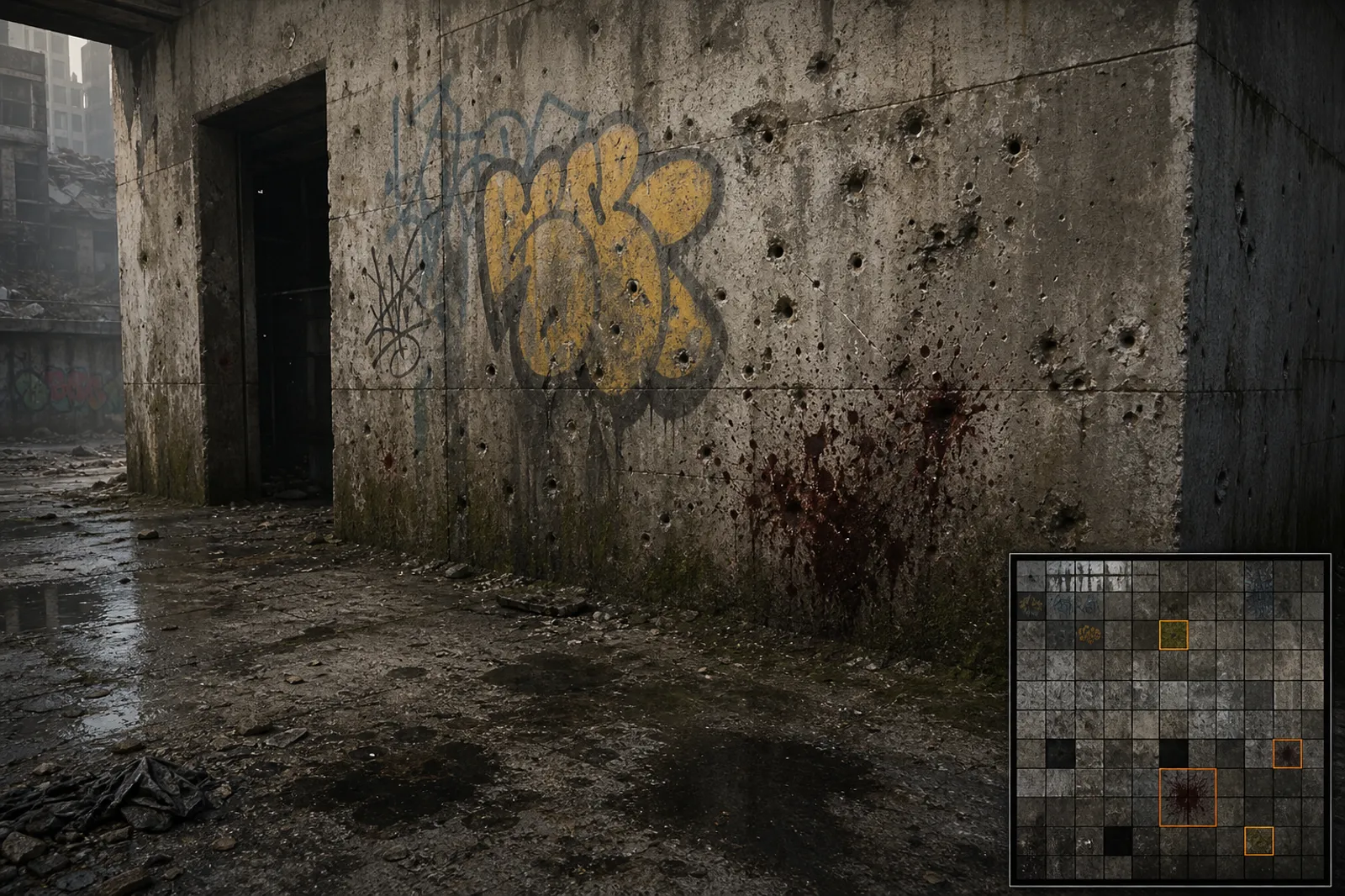
सतह की विविधता डेप्थ बफ़र पर प्रोजेक्ट किए गए परतदार डीकैल (गोली के निशान, मिट्टी, खून, मैल) और ज़रूरत के समय उच्च-रिज़ॉल्यूशन डिटेल स्ट्रीम करने वाले वर्चुअल टेक्सचर से आती है। मटेरियल लेयरिंग मास्क और ट्राइप्लैनर प्रोजेक्शन की मदद से हर पिक्सेल पर कई PBR सेट मिलाती है; इसी तरह एक ही चट्टान पाँच अलग-अलग चट्टानों जैसी दिखाई देती है।
गहन अध्ययन:
- Pranckevičius, डिफर्ड डीकैल और इसके बाद के लेख (Aras की क्लासिक ब्लॉग शृंखला)।
- Mittring, "Unreal Engine 4 Elemental Demo" के पीछे की तकनीक (SIGGRAPH 2012, इसमें वर्चुअल टेक्सचरिंग के विवरण शामिल हैं)।
- van Waveren, id Tech 5 की चुनौतियाँ: टेक्सचर वर्चुअलाइज़ेशन से विशाल समानांतरकरण तक (SIGGRAPH 2009, MegaTexture पर प्रस्तुति)।
- Williams, The Order: 1886 में मटेरियल लेयरिंग (GDC 2014, परतदार PBR मटेरियल)।
14. क्रम-स्वतंत्र पारदर्शिता
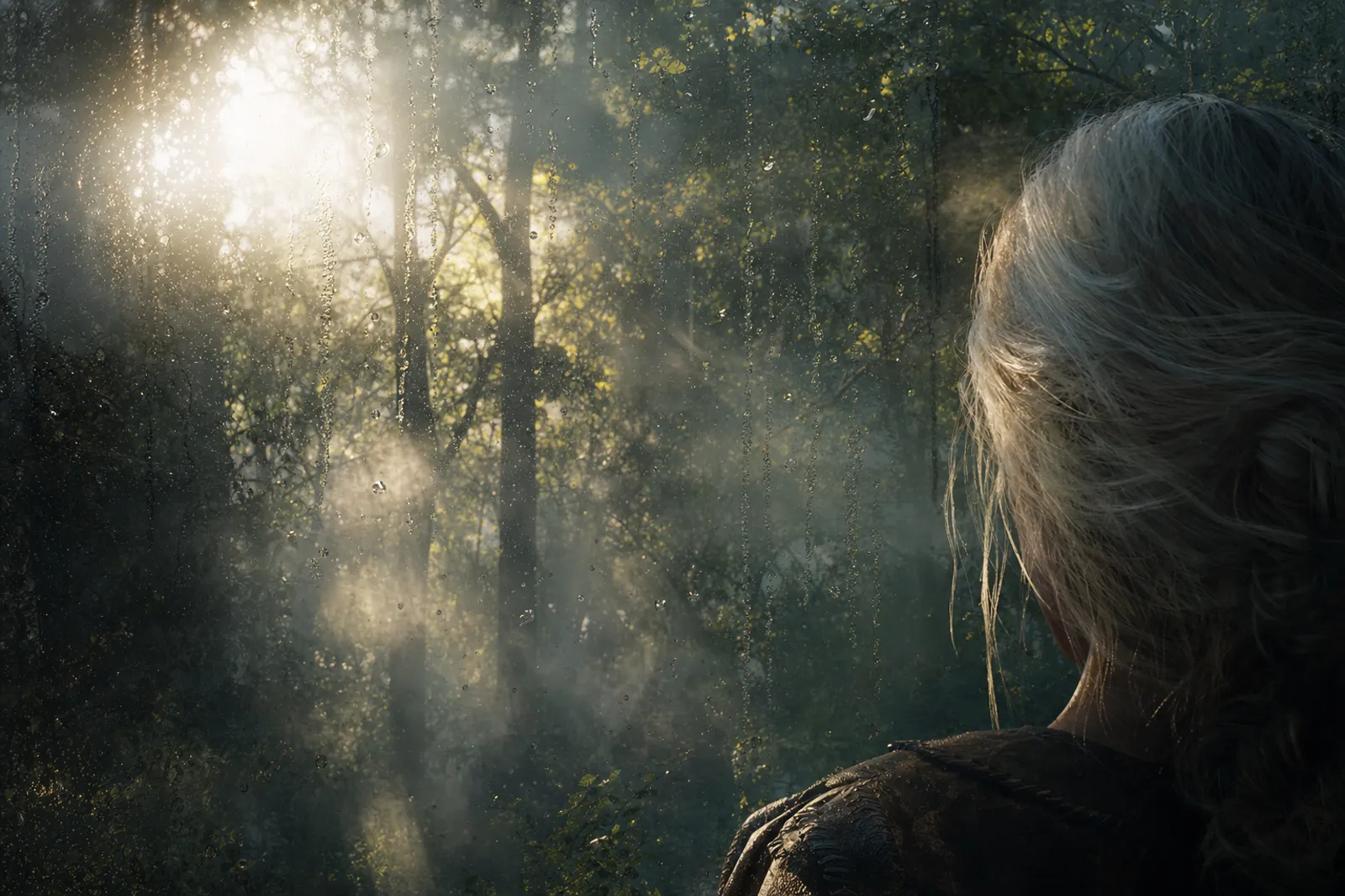
बाल, वनस्पति, पार्टिकल और काँच को साफ़-सुथरे ढंग से सॉर्ट नहीं किया जा सकता। AAA इंजन इन्हें CPU सॉर्ट चरण के बिना सही ढंग से रेंडर करने के लिए वेटेड ब्लेंडेड OIT, डेप्थ पीलिंग या प्रति-पिक्सेल लिंक्ड लिस्ट जैसी तकनीकों का इस्तेमाल करते हैं। बहुत अधिक वनस्पति वाले दृश्य में यह चुपचाप फ़्रेम के सबसे महँगे हिस्सों में से एक बन जाता है।
गहन अध्ययन:
- McGuire and Bavoil, वेटेड ब्लेंडेड क्रम-स्वतंत्र पारदर्शिता (JCGT 2013, WBOIT शोधपत्र)।
- Bavoil and Myers, डुअल डेप्थ पीलिंग के साथ क्रम-स्वतंत्र पारदर्शिता (NVIDIA श्वेतपत्र)।
- Yang et al., GPU पर रियल-टाइम समवर्ती लिंक्ड लिस्ट निर्माण (प्रति-पिक्सेल लिंक्ड लिस्ट का संदर्भ)।
- Wyman, OIT एल्गोरिदम के सातत्य की खोज और विस्तार (HPG 2016, तुलनात्मक सर्वेक्षण)।
15. न्यूरल रेडिएंस कैशिंग और ML डीनॉइज़र
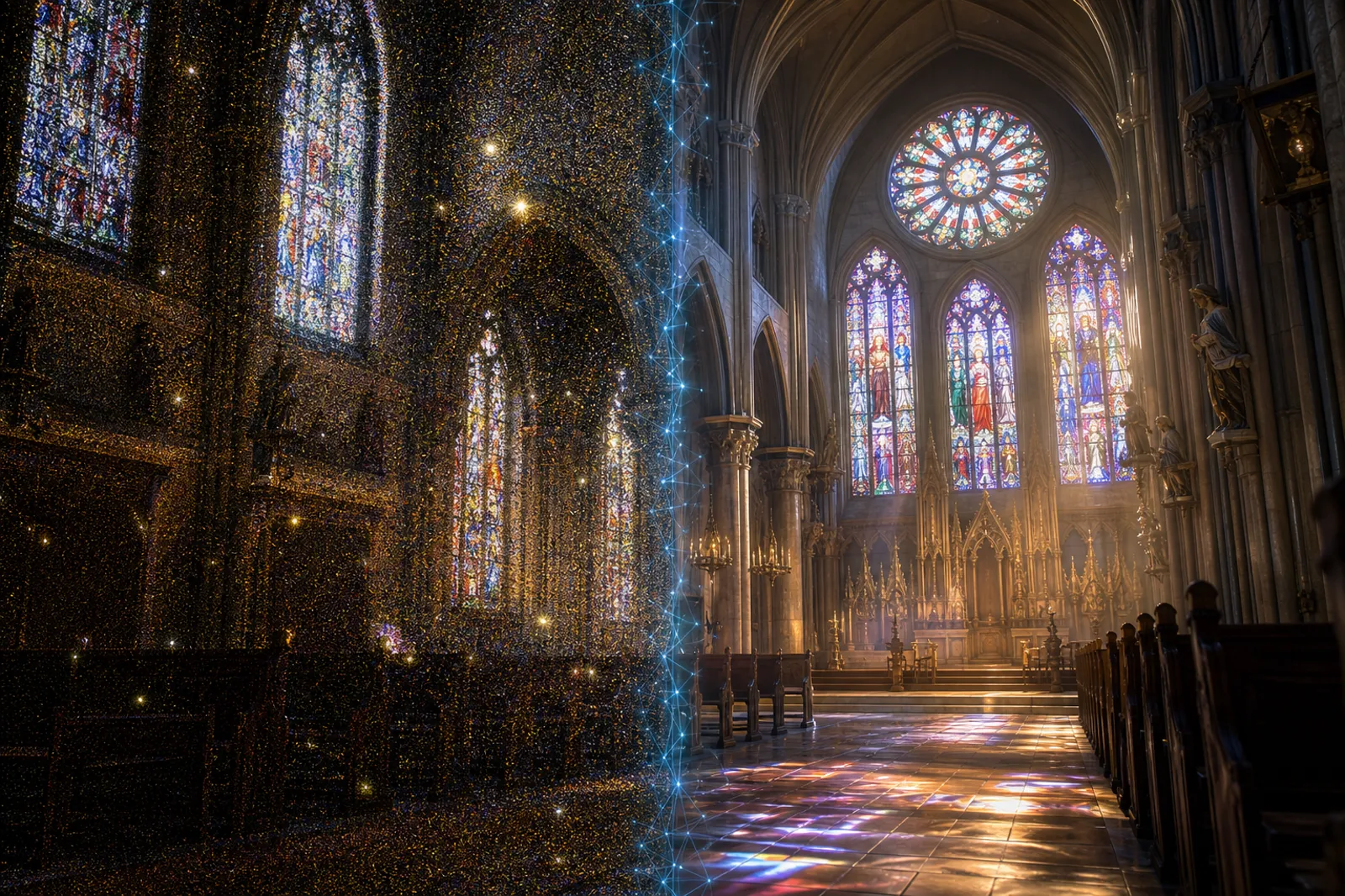
यह सबसे नई परत है। NVIDIA का न्यूरल रेडिएंस कैश हर दृश्य की अप्रत्यक्ष रोशनी सीखता है और अधिक रे ट्रेस करने के बजाय उसी से क्वेरी करता है। ML डीनॉइज़र (OptiX, Intel Open Image Denoise और कस्टम इन-हाउस समाधान) विरल रे-ट्रेस्ड सिग्नलों को कुछ मिलीसेकंड में साफ़ कर देते हैं। अगले दो वर्षों में इस श्रेणी के तेज़ी से बढ़ने की उम्मीद करें।
गहन अध्ययन:
- Müller et al., पाथ ट्रेसिंग के लिए रियल-टाइम न्यूरल रेडिएंस कैशिंग (SIGGRAPH 2021, NRC शोधपत्र)।
- Schied et al., स्पेशियोटेम्पोरल वेरिएंस-गाइडेड फ़िल्टरिंग: पाथ-ट्रेस्ड ग्लोबल इल्यूमिनेशन का रियल-टाइम पुनर्निर्माण (HPG 2017, SVGF)।
- Chaitanya et al., रिकरेंट डीनॉइज़िंग ऑटोएनकोडर से Monte Carlo छवि अनुक्रमों का इंटरैक्टिव पुनर्निर्माण (SIGGRAPH 2017, पहला रिकरेंट ML डीनॉइज़र)।
- Intel, Open Image Denoise दस्तावेज़ीकरण (ओपन-सोर्स प्रोडक्शन डीनॉइज़र)।
ब्राउज़र के लिए इसका क्या अर्थ है
हमने अपने ओपन-वर्ल्ड ब्राउज़र इंजन में WebGPU के जरिए इनमें से कई तकनीकें उपलब्ध कराई हैं। कैस्केडेड शैडो मैप, GPU-संचालित इंस्टेंसिंग, ट्राइप्लैनर PBR, स्क्रीन-स्पेस फ़ॉग और क्लिपमैप-आधारित वर्चुअलाइज़्ड टेरेन—ये सभी एक टैब में 120 FPS पर चलते हैं। सितंबर 2026 तक WebGPU स्वयं Chrome और Edge में संस्करण 113 से, macOS, iOS, iPadOS और visionOS पर Safari 26 में, तथा Windows (141) और Apple Silicon Mac (145 और बाद के संस्करणों) पर Firefox में डिफ़ॉल्ट रूप से चालू है; Linux पर यह अभी भी Nightly में है, जैसा कि gpuweb कार्यान्वयन स्थिति में बताया गया है। Three.js ने r185 में अपने WebGPU रेंडरर को डिफ़ॉल्ट पथ बनाया है और Babylon.js 9 (मार्च 2026) ने इसके ऊपर क्लस्टर्ड लाइटिंग और कंप्यूट-शेडर वॉल्यूमेट्रिक्स जोड़े हैं, जैसा कि Babylon.js 9.0 की घोषणा में बताया गया है। बाकी तकनीकें (हार्डवेयर रे ट्रेसिंग, मेश शेडर और ML अपस्केलिंग) अभी भी WebGPU स्पेक में नहीं हैं, इसलिए वे फ़िलहाल वेब पर कंप्यूट-शेडर एम्युलेशन के रूप में ही उपलब्ध हैं। अधिक गहराई से जानने के लिए ब्राउज़र ओपन-वर्ल्ड तकनीक, लैंडस्केप जनरेशन, गेमों के लिए WebGPU बनाम WebGL और 2026 का वेब गेम स्टैक पर हमारी गाइड देखें। यदि आप यह जाँचना चाहते हैं कि कोई ब्राउज़र क्या-क्या उपलब्ध कराता है, तो हमारा WebGL/WebGPU चेकर अडैप्टर की विशेषताओं और सीमाओं की रिपोर्ट देता है।
सामान्य प्रश्न
इनमें से कौन-सी रेंडरिंग तकनीकें 2026 में WebGPU वाले ब्राउज़र में चलती हैं?
इनमें से अधिकतर वे तकनीकें चलती हैं जिन्हें किसी समर्पित हार्डवेयर यूनिट की आवश्यकता नहीं होती। PBR, डिफर्ड और विज़िबिलिटी-बफ़र शेडिंग, कैस्केडेड शैडो मैप, स्क्रीन-स्पेस AO और रिफ्लेक्शन, वॉल्यूमेट्रिक फ़ॉग और बादल, TAA, कंप्यूट शेडर के जरिए GPU-संचालित कलिंग, क्रम-स्वतंत्र पारदर्शिता और क्लस्टर-आधारित जियोमेट्री स्ट्रीमिंग—ये सभी आज WebGPU में काम करते हैं और हम अपने ब्राउज़र इंजन में इनमें से कई का इस्तेमाल करते हैं। जो उपलब्ध नहीं है, वह ऐसा कुछ भी है जो उस हार्डवेयर चरण पर निर्भर करता है जिसे स्पेक उजागर नहीं करता: हार्डवेयर रे ट्रेसिंग, मेश शेडर और DLSS तथा FSR जैसे विक्रेता-विशिष्ट ML अपस्केलर। आप कंप्यूट में रे ट्रेसिंग और Nanite-शैली की क्लस्टर कलिंग एम्युलेट कर सकते हैं—और लोग ऐसा करते भी हैं—लेकिन नेटिव कार्यान्वयन की तुलना में बड़े अंतर की अपेक्षा रखें। हमारी WebGPU बनाम WebGL गाइड बताती है कि गेम के प्रदर्शन बजट के लिए इसका क्या अर्थ है।
गेमों में कॉन्टैक्ट शैडो क्या होते हैं?
कॉन्टैक्ट शैडो वे छोटे और तीखे साये होते हैं जहाँ कोई वस्तु वास्तव में किसी सतह से मिलती है: ज़मीन पर पैर, मेज़ पर कप या वह जोड़ जहाँ दीवार फ़र्श से मिलती है। बायस और रिज़ॉल्यूशन की सीमाओं के कारण नियमित शैडो मैप उन्हें धुँधला कर देते हैं या पूरी तरह छोड़ देते हैं। इसलिए इंजन एक समर्पित पास जोड़ते हैं—आमतौर पर डेप्थ बफ़र के विरुद्ध एक छोटा स्क्रीन-स्पेस रे मार्च, या रे-ट्रेस्ड रेंडरर में कुछ बहुत छोटी शैडो रे। ये सस्ते होते हैं और वस्तुओं को हवा में तैरता हुआ दिखने से रोकते हैं। वेब पर three.js का एक कॉन्टैक्ट शैडो उदाहरण है, जो वस्तु की डेप्थ को ग्राउंड प्लेन पर रेंडर करके इनका भ्रम पैदा करता है। यह प्रोडक्ट शॉट के लिए ठीक है, लेकिन पूरे दृश्यों के लिए कठिन हो सकता है।
वर्चुअल शैडो मैप क्या होता है, और क्या ब्राउज़र में यह उपलब्ध है?
वर्चुअल शैडो मैप एक विशाल शैडो मैप (Unreal में हर लाइट के लिए इसका आकार 16k गुणा 16k है, जैसा कि Epic के दस्तावेज़ बताते हैं) को पेजों के समूह की तरह मानता है। यह केवल उन्हीं पेजों को आवंटित और रेंडर करता है जिन्हें कैमरा वास्तव में देख सकता है, और वह भी हर पेज की ज़रूरत के अनुसार रिज़ॉल्यूशन पर। इससे पूरे मैप की लागत चुकाए बिना नज़दीक से लगभग पिक्सेल-परफ़ेक्ट शैडो मिलते हैं। सितंबर 2026 तक किसी भी ब्राउज़र इंजन में VSM उपलब्ध नहीं है। Three.js अपने WebGPU रेंडरर में कैस्केडेड शैडो मैप और PCSS सॉफ़्ट शैडो देता है, जबकि Babylon.js में CascadedShadowGenerator है। सिद्धांततः WebGPU पर VSM बनाना संभव है—यह कंप्यूट और इनडायरेक्ट ड्रॉ का संयोजन है—लेकिन अभी तक किसी ने कोई सामान्य-उद्देश्य वाला कार्यान्वयन जारी नहीं किया है। इसलिए ब्राउज़र टैब में कैस्केड ही व्यावहारिक समाधान बने हुए हैं।
वेब गेमों के लिए बाल रेंडर करने की सर्वोत्तम तकनीकें कौन-सी हैं?
स्ट्रैंड सिमुलेशन को छोड़ें और हेयर कार्ड्स को अच्छी तरह शेड करें। रीयल-टाइम स्ट्रैंड हेयर (TressFX, Unreal का ग्रूम सिस्टम) के लिए बड़े पैमाने पर अत्यधिक कंप्यूट-निर्भर सिमुलेशन और ऑर्डर-इंडिपेंडेंट ट्रांसपेरेंसी की आवश्यकता होती है, जो नेटिव रूप से भी भारी है और सितंबर 2026 तक three.js या Babylon.js में इसका कोई तैयार कार्यान्वयन उपलब्ध नहीं है। वेब-अनुकूल स्टैक में हेयर कार्ड्स (टेक्सचर वाली, अल्फा-टेस्टेड कुछ दर्जन पट्टियाँ), three.js के TSL या Babylon के नोड मटेरियल्स में लिखा गया एनिसोट्रॉपिक Kajiya-Kay या सरलीकृत Marschner हाइलाइट, किनारों को मुलायम बनाए रखने के लिए दो-पास वाला पहले-अल्फा-टेस्ट-फिर-ब्लेंड रेंडर, और कार्ड टेक्सचर में बेक किया गया सस्ता एम्बिएंट ऑक्लूज़न टर्म शामिल होता है। यदि आपको गति चाहिए, तो स्ट्रैंड्स का सिमुलेशन करने के बजाय कुछ बोन चेन्स को चलाएँ। इससे फ्रेम समय के बेहद छोटे हिस्से में लगभग वैसा ही दृश्य परिणाम मिलता है, जो तब महत्वपूर्ण है जब इंटीग्रेटेड GPU पर आपके पूरे सीन का बजट 16 ms हो।
क्या यह सूची 2026 में भी सटीक है?
हाँ, और मई 2026 के बाद हुए बदलाव नई श्रेणियाँ जोड़ने के बजाय मौजूदा तकनीकों के परिष्कार हैं। UE 5.8 (जून 2026) ने MegaLights को प्रोडक्शन के लिए तैयार किया, Lumen Lite और कम लागत वाले दूरस्थ वर्चुअल शैडो मैप्स जोड़े, और यह Unreal Engine 6 से पहले का अंतिम 5.x रिलीज़ है। AMD के FSR Redstone ने फ्रेम जेनरेशन, रे रीजेनरेशन और न्यूरल रेडिएंस कैश को एक ही ML पैकेज में समाहित कर दिया, जो पिछले दो खंडों की दिशा की पुष्टि करता है। और WebGPU हर प्रमुख ब्राउज़र तक पहुँच गया, इसलिए ऊपर दिया गया "ब्राउज़र के लिए इसका क्या अर्थ है" खंड अब इस बारे में है कि किन तकनीकों को पोर्ट किया जाए, न कि यह कि प्लेटफ़ॉर्म तैयार है या नहीं।
पूरे स्टैक के बारे में आगे पढ़ें
यदि आप केवल एक पुस्तक पढ़ना चाहते हैं, तो Real-Time Rendering, चौथा संस्करण एक मानक संदर्भ है, जिसमें ऊपर दिए गए अधिकांश विषय शामिल हैं। जारी शोध के लिए, SIGGRAPH के "Advances in Real-Time Rendering in Games" पाठ्यक्रम का संग्रह (advances.realtimerendering.com) 2006 से अब तक AAA इंजन के गहन विश्लेषणों की निःशुल्क PDF उपलब्ध कराता है। विशिष्ट गेम्स अपने फ्रेम को कैसे रेंडर करते हैं, इसके प्रोडक्शन-स्तरीय विश्लेषण के लिए Adrian Courrèges के GPU प्रोफ़ाइलिंग लेख अनिवार्य पठन हैं।